A practical guide to building your listening setup

Build a set that fits you.

A simple CD player and a pair of speakers can bring years of pleasure. At the other end, a carefully chosen system of components can grow into a collection costing tens of thousands. I have a soft spot for Sony ES components and KEF speakers, but the best place to start is what you want from listening, and what fits your room, music and budget.

A home audio rack combining a turntable, CD player, cassette deck and MiniDisc equipment
A system can grow around the music you love
01Know how you want to listen
02Choose for your room, not a showroom
03Make space in the budget for speakers

Start with the feeling.

Buying equipment is easier when you know what role music should play in your home. A good system is the one that makes you want to listen.

01 / Easy everyday listening

Put on a CD and enjoy it.

If you mainly want simple, reliable listening, a compact CD system, a mini or midi set, or a CD player connected to powered speakers may be all you need.

  • Quick to switch on and easy to live with
  • Often includes speakers, radio and a remote
  • Works well in a bedroom, kitchen or smaller living room
02 / Sit down and listen

Get lost in the music.

If you want to settle into an album, hear depth and detail, and shape the sound around your room, a carefully matched set of separate components can be rewarding.

  • Plan speaker positions and a comfortable listening spot
  • Choose only the inputs and features you will use
  • Build gradually, there is no need to buy everything at once

Find your starting point.

Micro, mini and midi are useful descriptions, though the labels are not strict technical standards. There is a good starting point at every budget, from a simple second-hand set to carefully chosen separates. Choose for the way you want to experience music and what you want to spend.

Small footprint

Micro system

A compact central unit with a pair of small speakers. A simple choice for CDs, radio and other everyday sources, depending on the model.

Compact package

Mini system

Usually a little larger, often with more connections or features. Many are sold as a matched package with the speakers already included.

More room to grow

Midi system

A larger shelf system, sometimes made from separate matching units. Speakers often come with the set. Check whether the units are modular or part of one complete system.

Choose each part

Full-size separates

Pick a CD player or other sources, an amplifier or receiver, then speakers to suit your room. You can mix brands when the connections and specifications work together.

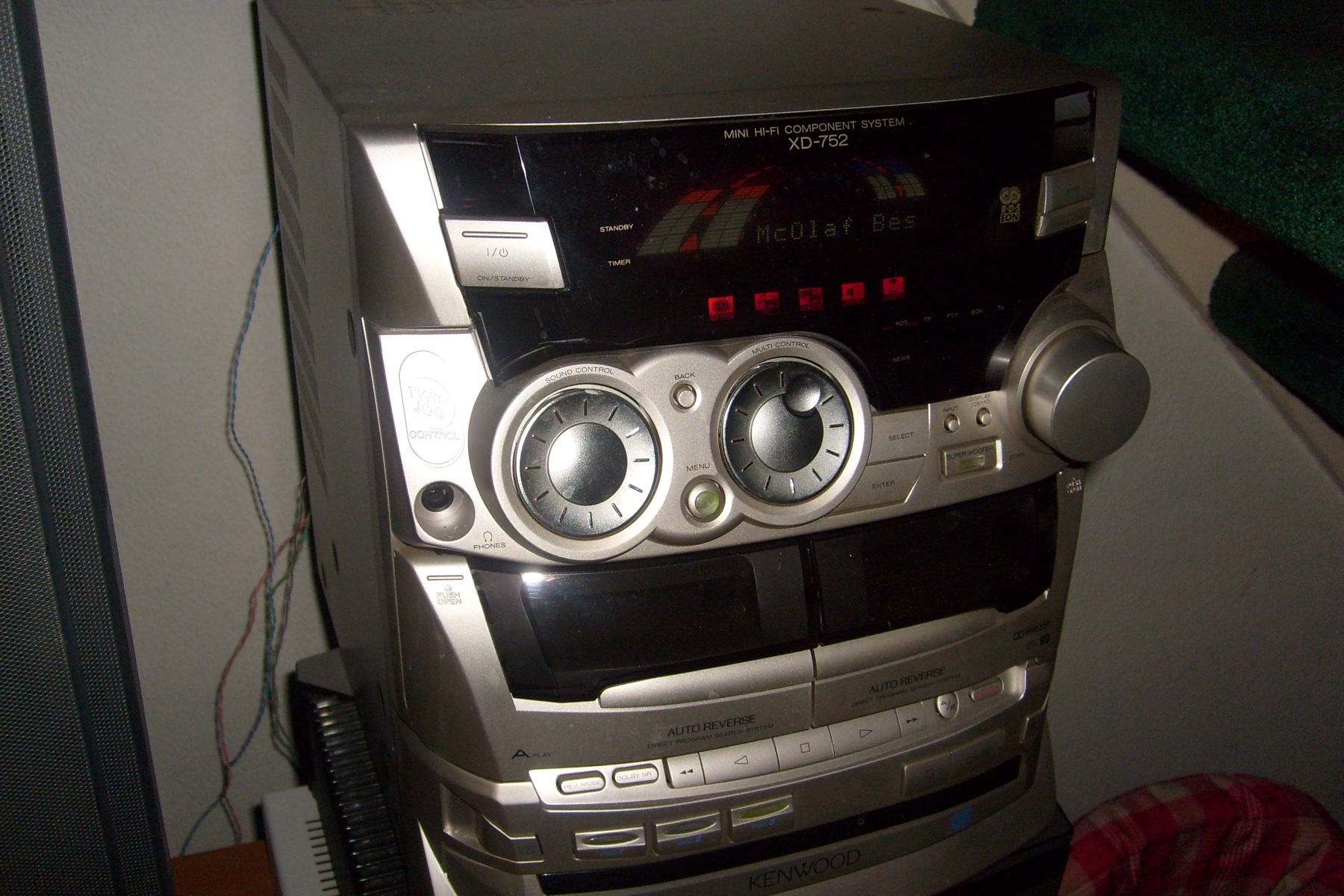
Kenwood XD-752 mini hi-fi system with a cassette deck and matching components
Kenwood XD-752, a compact mini system
A compact complete system

Kenwood XD-752 mini hi-fi

This Kenwood system brings matching components into one compact setup. The cassette deck is built into the stack, with radio and other playback features depending on the exact model and connections.

When buying a used mini system, check that all units communicate, the cassette transport works and the speakers and remote are included.

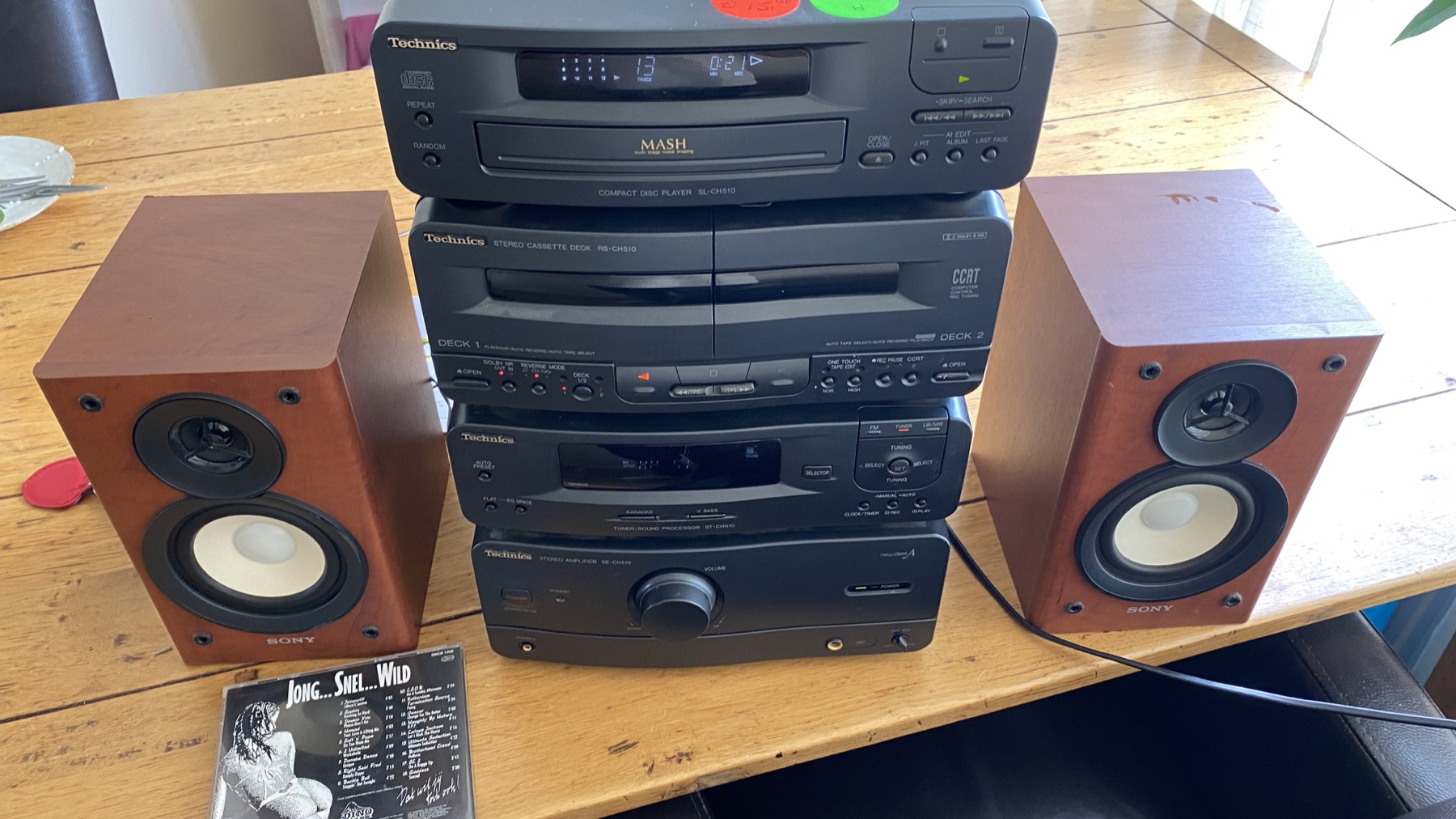
Technics midi system with CD player, cassette deck, tuner and amplifier, paired with Sony speakers
Technics midi system, with matching speakers
A coordinated midi set

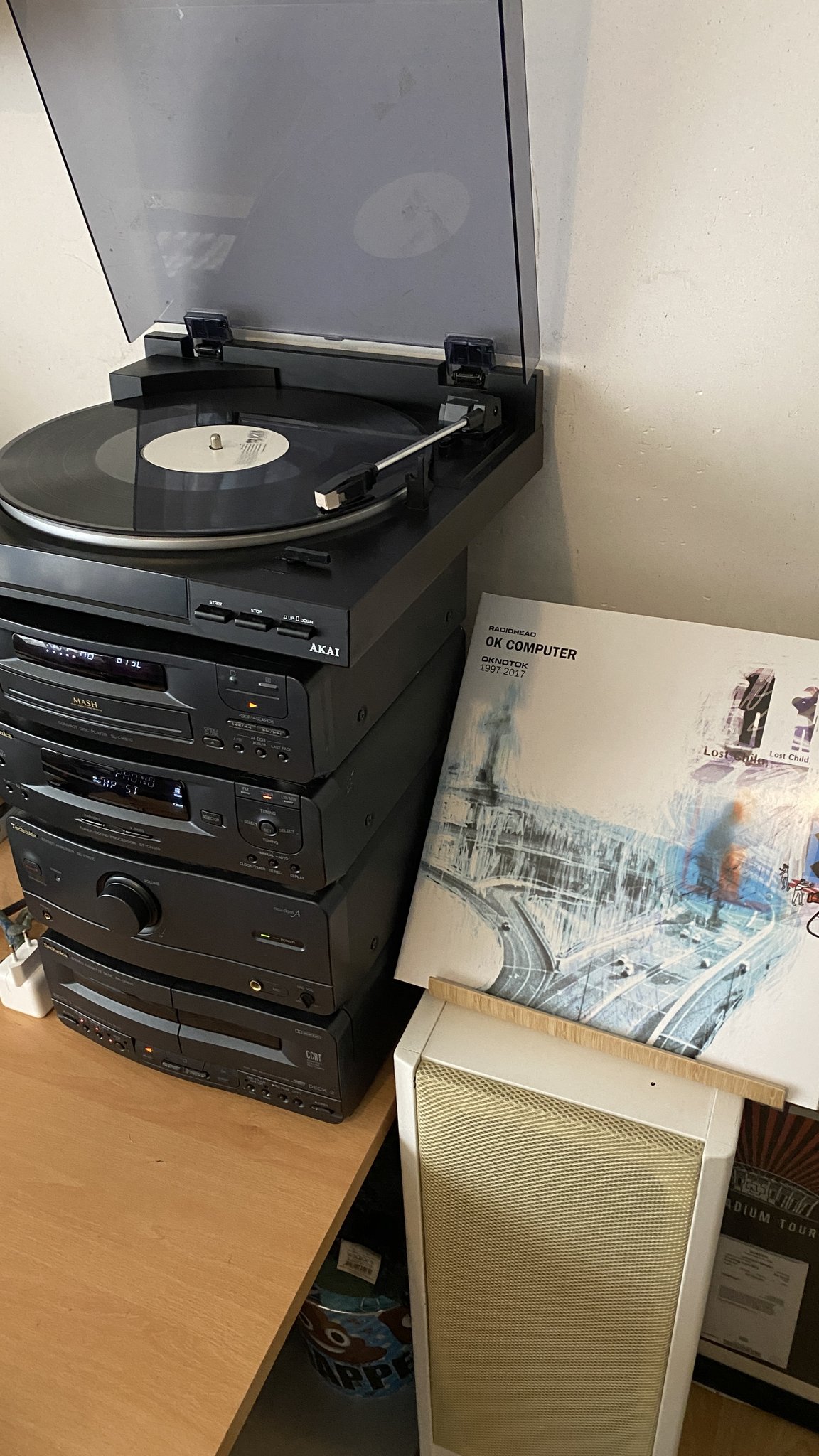
Technics midi system

This set brings a CD player, double cassette deck, tuner and amplifier together with a pair of Sony speakers. It shows how a midi system can offer several physical formats in one coordinated package.

Check which units belong together, which cables are needed and whether the speakers are included when comparing a used set.

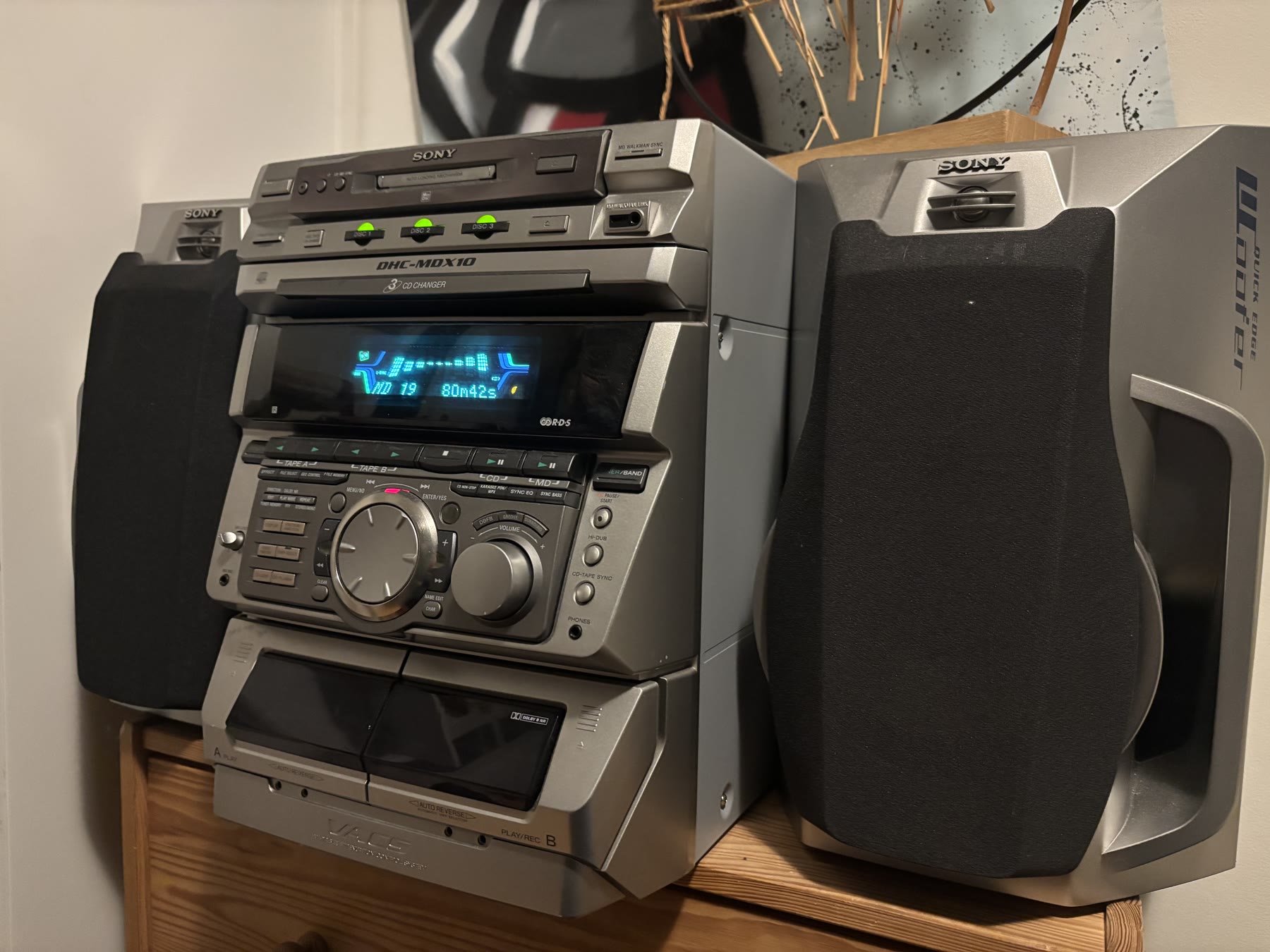
Sony MiniDisc, CD, cassette and tuner midi system with its matching speakers
The complete Sony bedroom midi system
From my bedroom setup

MiniDisc, CD, tape and tuner.

This Sony midi system brings a MiniDisc deck, three-disc CD changer, twin cassette decks and radio tuner together in one setup. It is a neat example of one system covering several kinds of listening.

When looking for a similar used system, check that the speakers and matching units are included, then test the disc mechanisms, tape decks, tuner and controls.

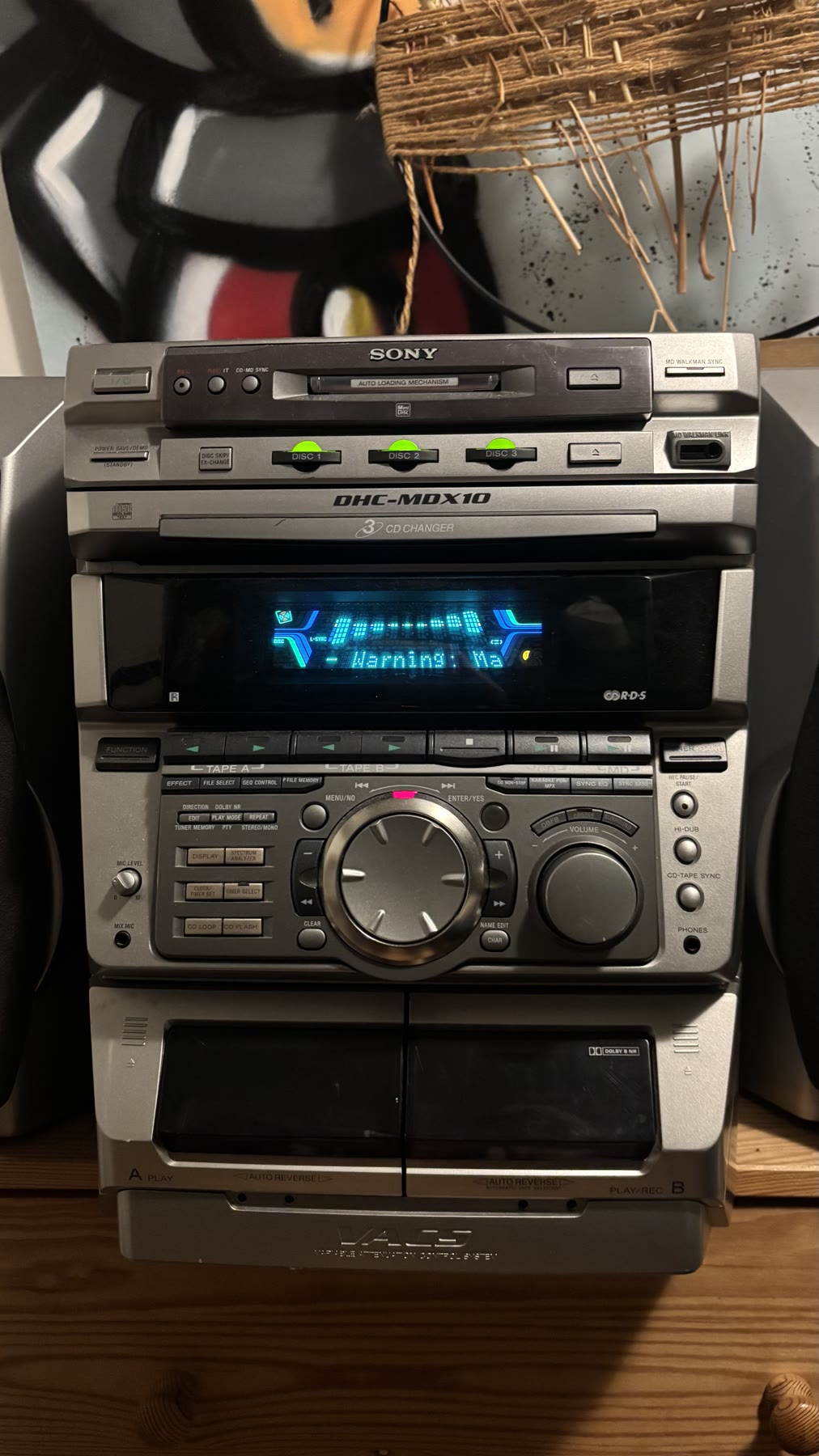
Close-up of the Sony midi system front panel, showing its MiniDisc, CD and cassette controls

Front-panel detail. The controls make it easy to see just how many formats this one system can play.

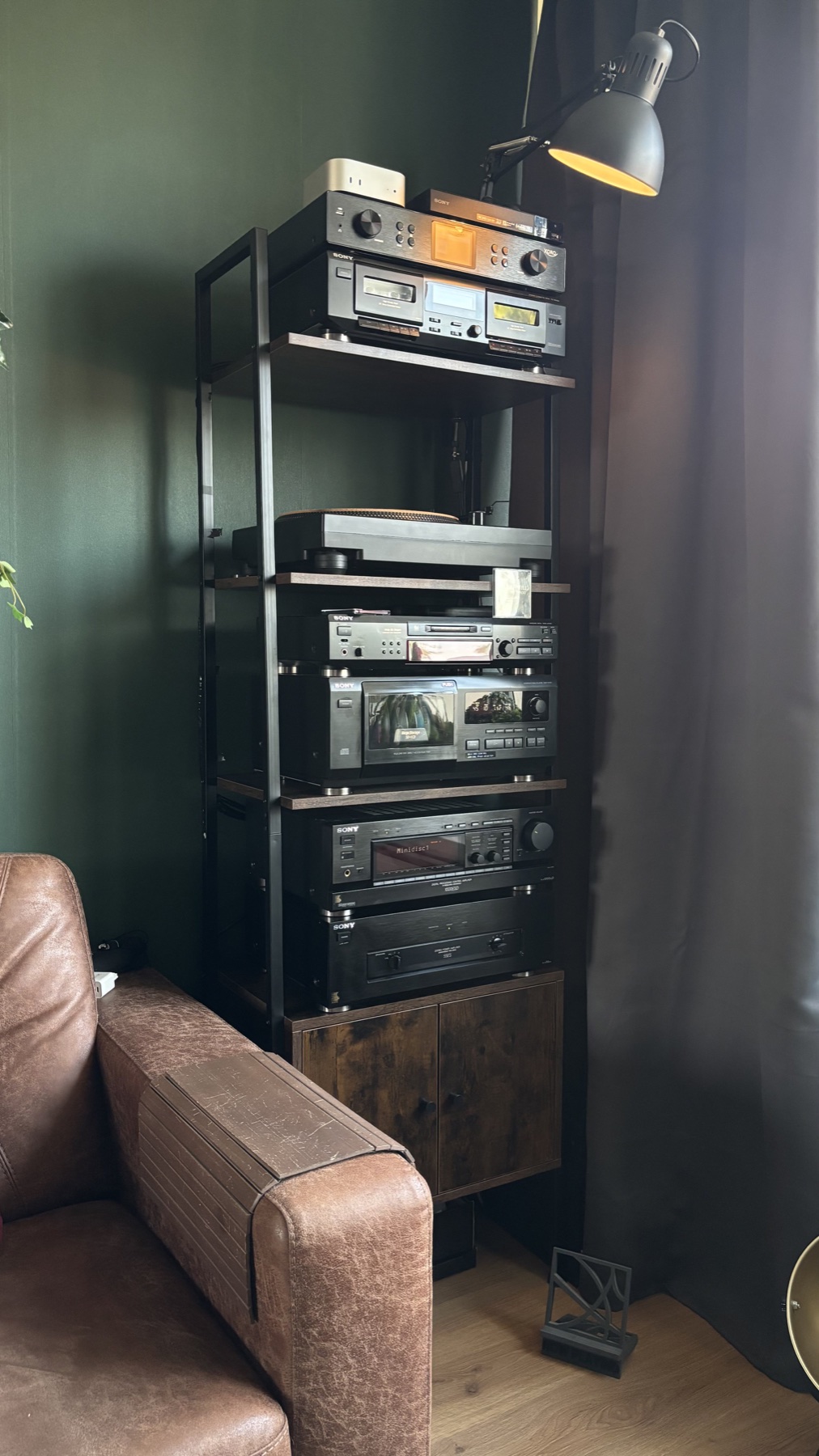
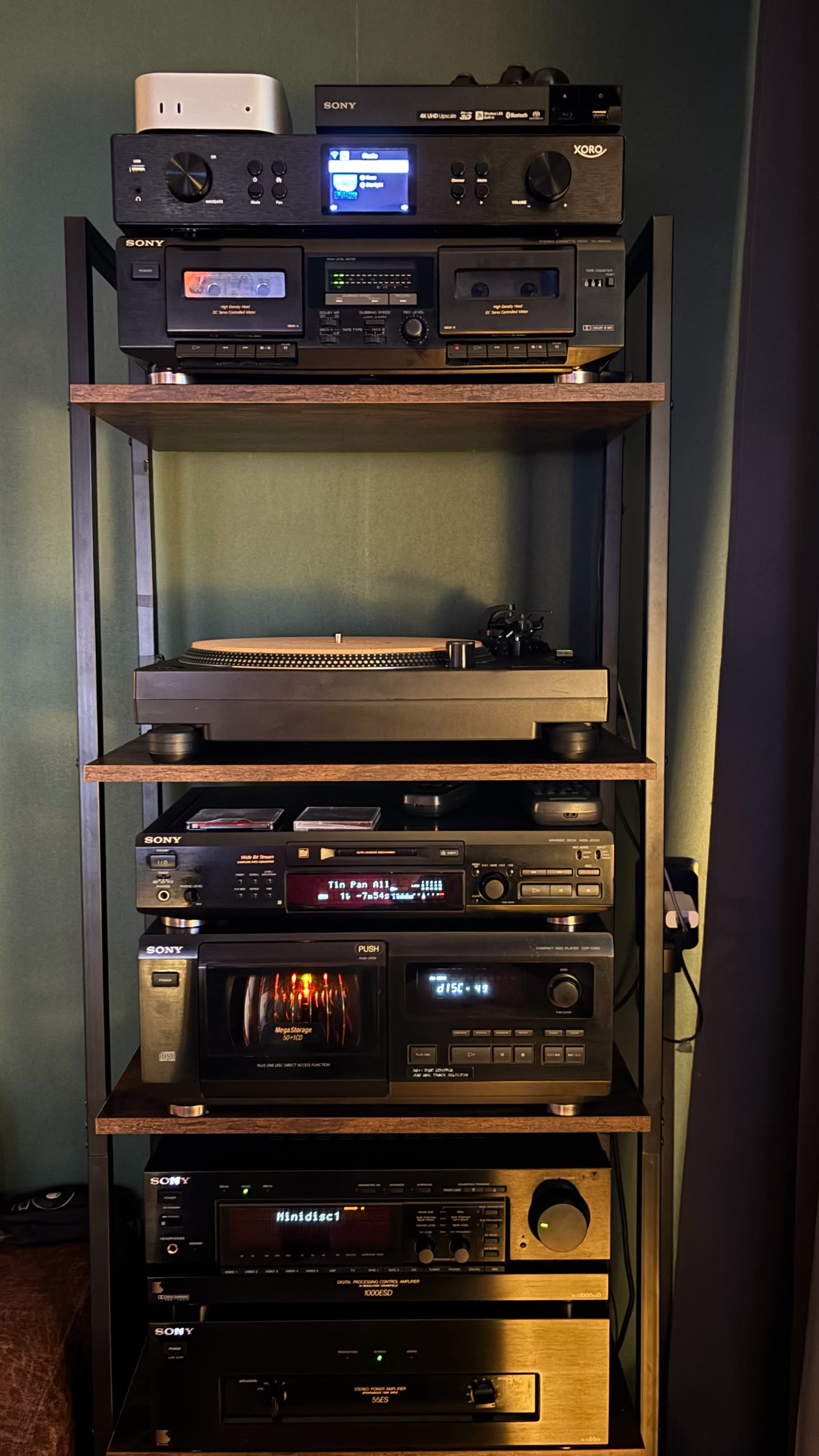
A full-size Sony ES hi-fi system with separate components including cassette, MiniDisc and CD equipment
A full-size Sony ES system, built from separate components
Choose each component

Full-size Sony ES separates

This rack shows a system assembled from individual components. A separate CD player, cassette deck, MiniDisc deck and amplifier can each be chosen for the job they do.

Separates make it easy to build around the formats you use, and to replace or add one component at a time.

There is no price ladder you have to climb.

A CD or record from a charity shop can sound just as good as a new copy when it is clean, undamaged and the same edition or mastering. Condition and the recording matter more than the price tag. A well-kept second-hand radio can also be more enjoyable than a generic new model.

What matters is how you want to experience music and what you choose to spend. Some people are happy with a simple set for years. Others get hooked on finding an even more involving sound and keep building, as I have. There is no required upgrade path, unless you decide that chasing the next step is part of the fun.

The signal has a path.

A source sends music through the right input and amplification, then the speakers turn it into sound. Here is how the formats in this guide connect.

01 / Source and conversion

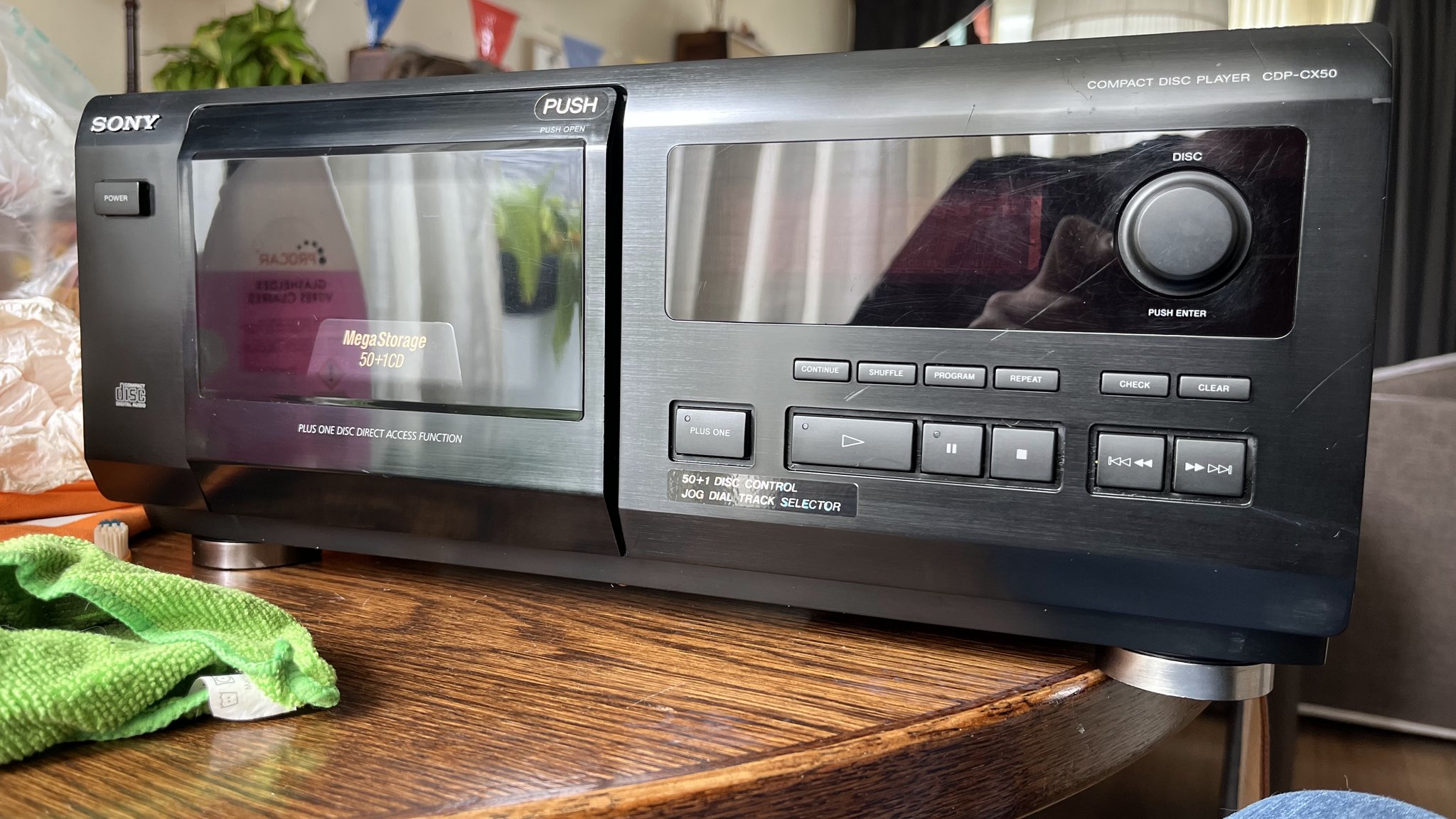
CD player

Reads the disc and usually converts its digital audio to an analogue signal through a built-in DAC. Connect its line output to an amplifier input.

02 / Control and power

Integrated amplifier

Selects the source, controls volume and provides the power that passive speakers need to play.

03 / Sound in your room

Two speakers

Passive speakers connect to the amplifier with speaker cable. Their design, placement and your room all shape what you hear.

Vinyl

Turntable → phono stage → amplifier → speakers

A cartridge produces a much smaller signal than a CD player and needs phono equalisation. Use an amplifier's PHONO input, a separate phono preamp, or a turntable with a built-in preamp. Check that the phono stage matches the cartridge type, commonly moving magnet or moving coil.

Compact cassette

Cassette deck → line input → amplifier → speakers

For playback, connect the deck's output to a line or tape input. To record, feed a suitable line output from a CD player, streamer or amplifier into the deck's record input. A cassette deck handles playback and recording, but does not power passive speakers.

MiniDisc

MiniDisc deck → line input → amplifier → speakers

Use the deck's analogue line output for playback and a line input for recording. Optical digital connections can also link compatible MiniDisc decks and sources, useful for digital recording. Check which inputs and outputs the specific models actually have.

Streaming and internet radio

Network streamer → DAC → amplifier → speakers

A dedicated network streamer can add online radio and services such as Spotify and other supported platforms, to a traditional audio system. Connect its analogue output to a line input, or send a digital signal to the DAC in your amplifier. A phone or computer can also provide streaming, and some amplifiers have a streamer built in. Check which services the model supports before buying.

TV and game audio

TV optical out → amplifier optical in → speakers

Console → AV receiver HDMI in → TV

Many TVs have an optical digital audio output, and some amplifiers and AV receivers have an optical input. HDMI ARC or eARC is another option when both devices support it. A console can connect to an HDMI input on an AV receiver that supports its picture format. The receiver then sends the picture to the TV. Or connect the console to the TV, then return its sound to the audio system over optical, ARC or eARC. Select the right inputs and check audio output settings and format support. TV and game sound through the main speakers can make dialogue clearer, effects fuller and games more involving. See the cable guide for connection details.

Several jobs can live in one box. An integrated amplifier combines source selection, volume control and speaker power. A receiver may add radio, and some models add network playback. A phono stage or DAC may already be built into a turntable, CD player, streamer or amplifier, so check the labels and manual before buying another component.
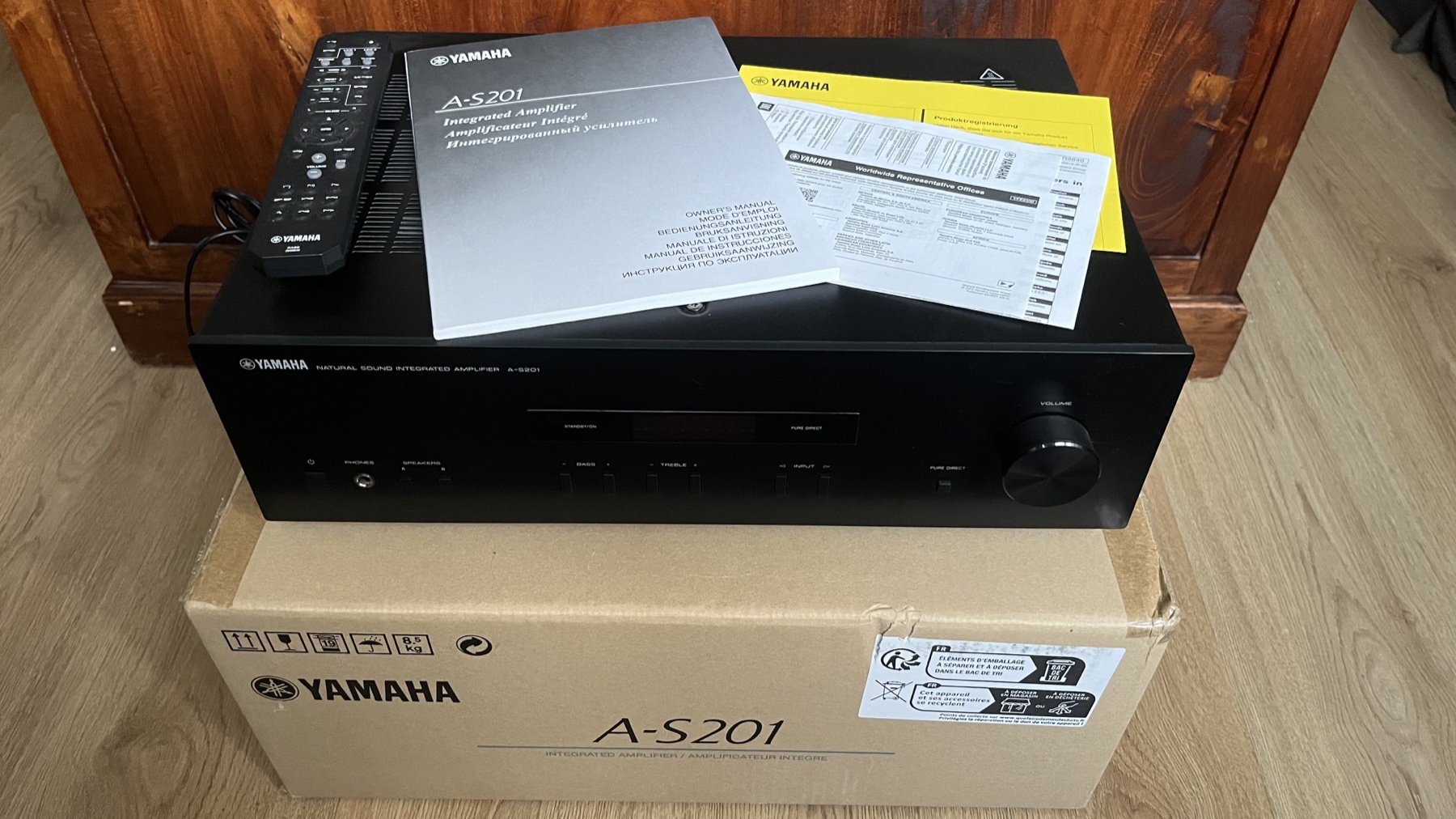
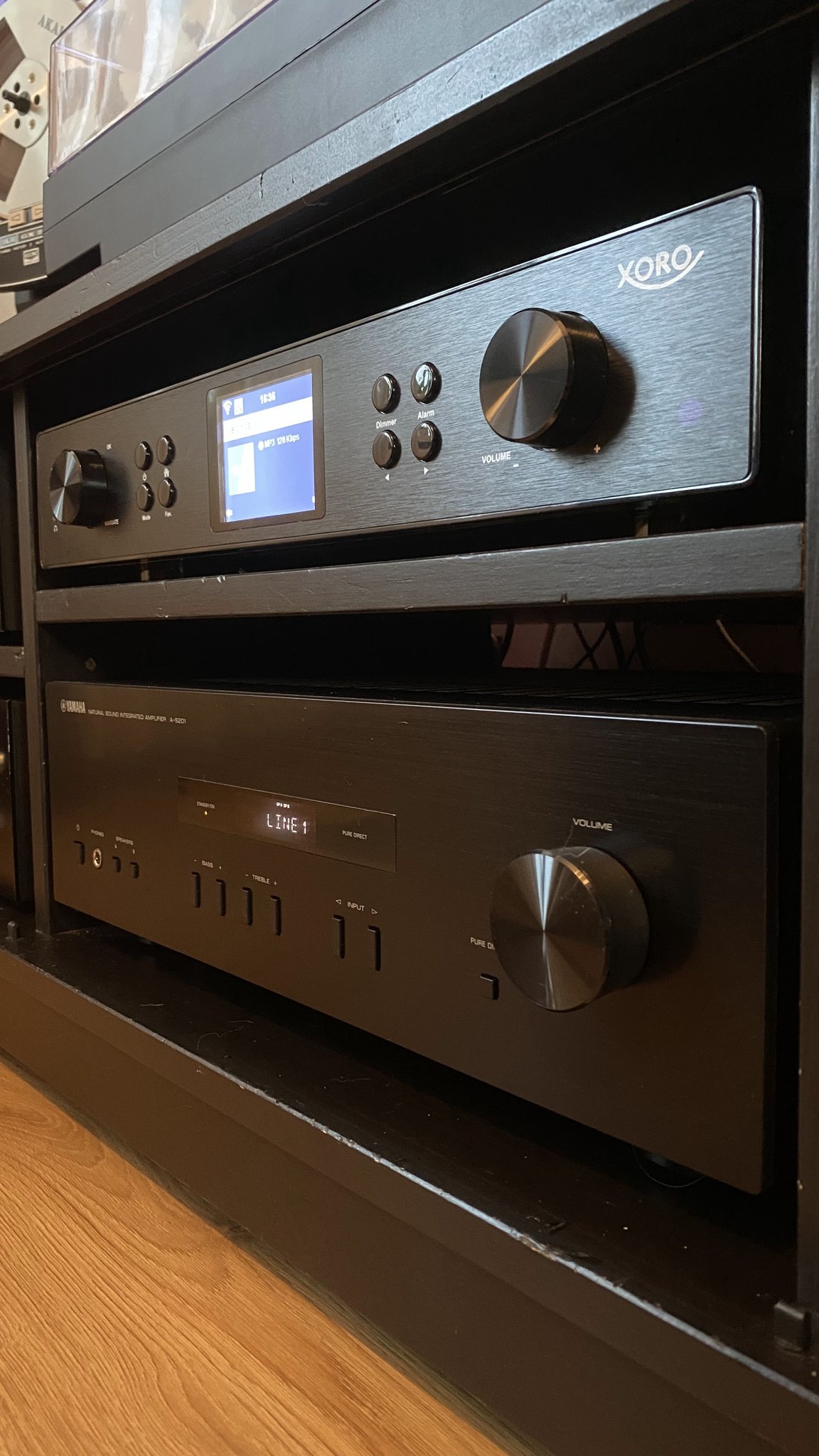
Yamaha A-S201 integrated amplifier, photographed with its box and manuals
Yamaha A-S201, a modern integrated amplifier

New or vintage, the job is familiar.

This Yamaha A-S201 is a modern integrated amplifier. It selects a source, controls listening level and powers passive speakers in one component. A vintage amplifier may do the same, but condition, connections, service history and speaker compatibility deserve a careful check.

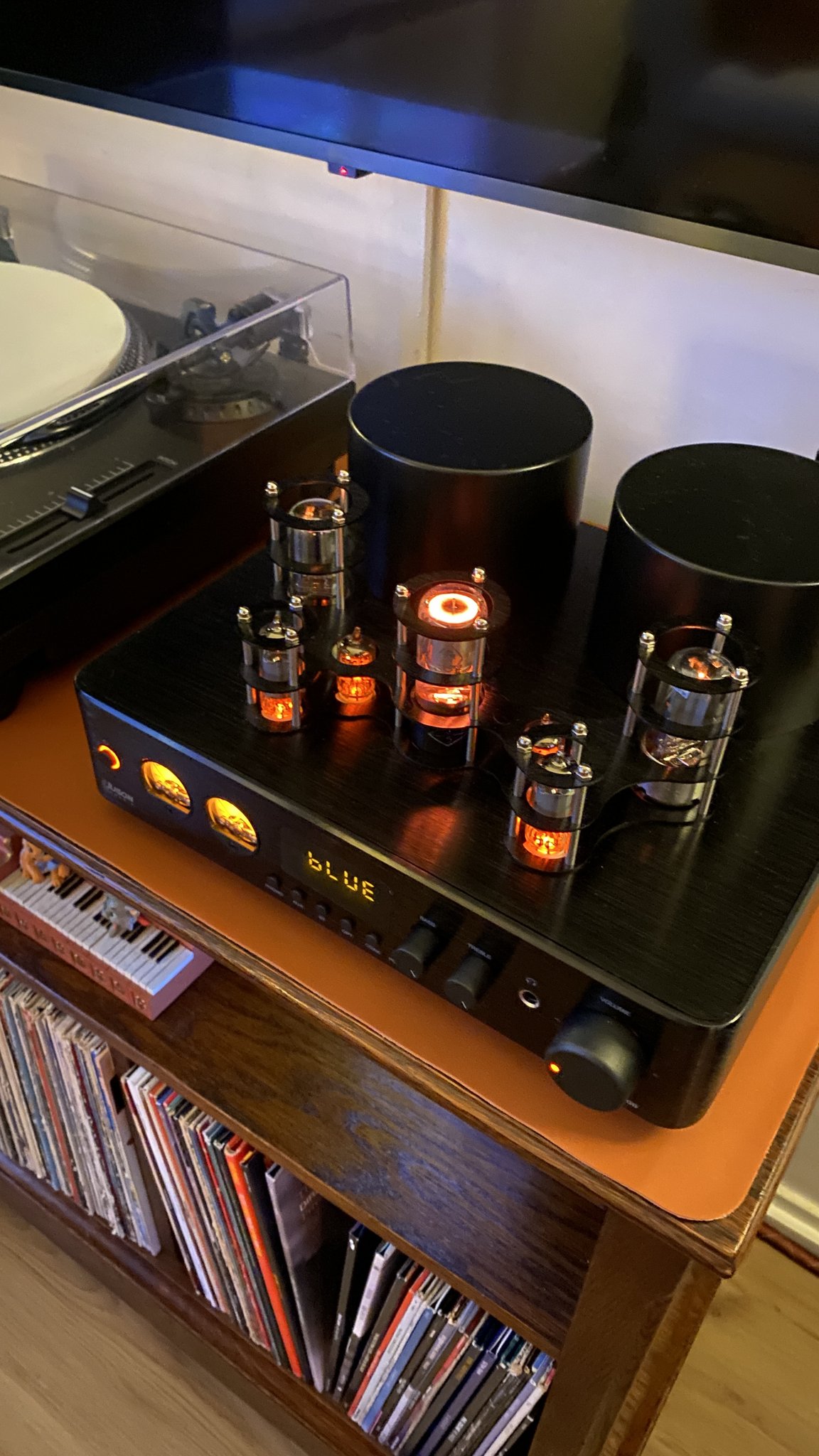
The glowing tubes and front panel of a vacuum tube amplifier
A glowing vacuum tube amplifier

Vacuum tubes, same place in the chain.

A tube amplifier still sits between the source and the speakers. It needs the right inputs for your player and enough suitable speaker outputs for the system. The glowing tubes are part of its design, but they do not remove the need to check condition, compatibility and servicing, especially with older equipment.

Powered speakers simplify the chain: their amplifiers are built in, so a source with a compatible line or digital output can connect directly. For a turntable, the speakers still need a phono input or the turntable needs a phono preamp.

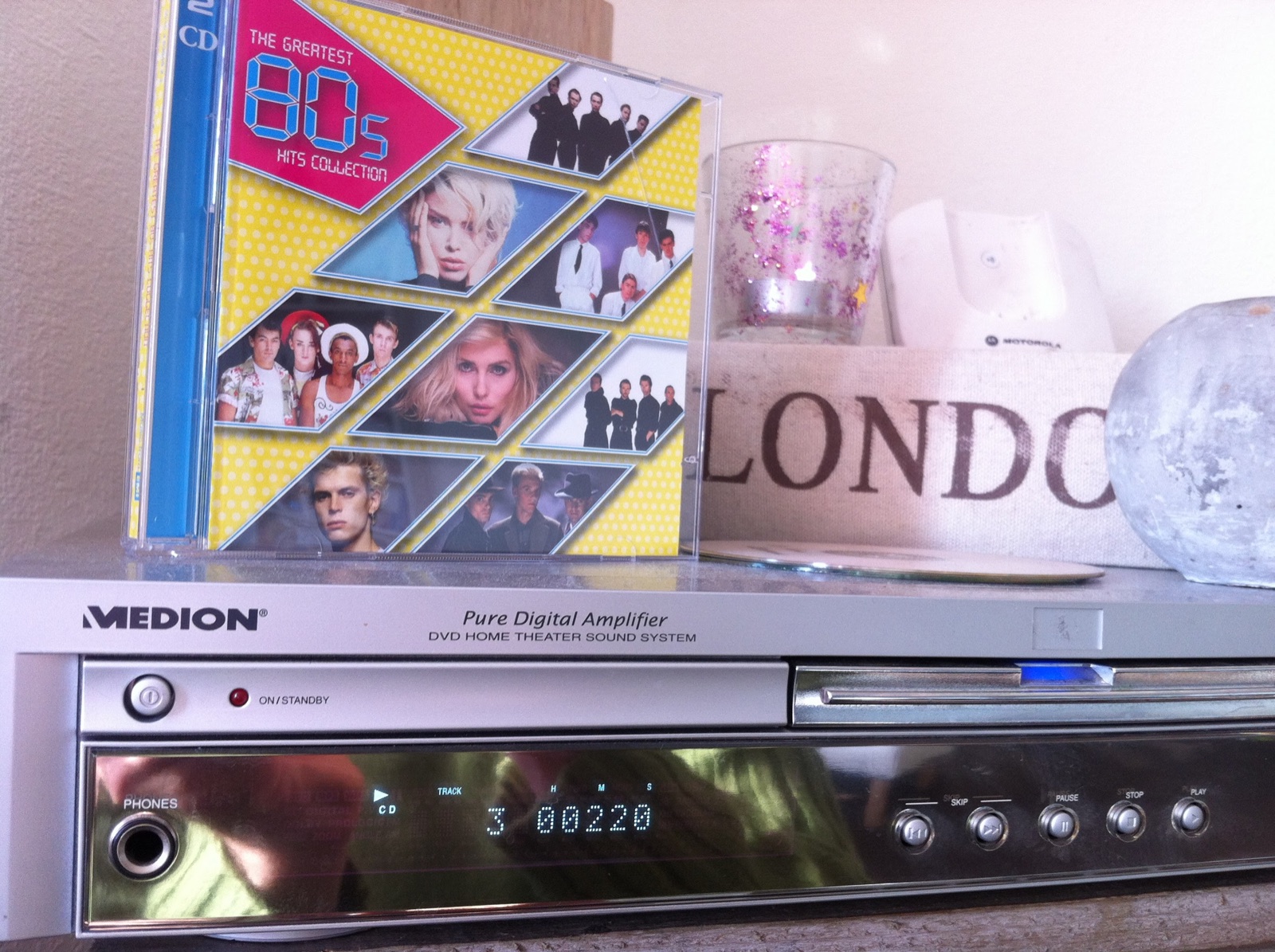
Medion DVD home cinema system displaying CD as its selected source
A home cinema set that can play films and CDs

DVD and Blu-ray can join your audio system.

Many DVD and Blu-ray players can play audio CDs too. A surround receiver can bring films, CDs, a turntable and a cassette deck together. The format comparison and examples now have their own page.

Explore DVD, Blu-ray and VHS

Give speakers real attention.

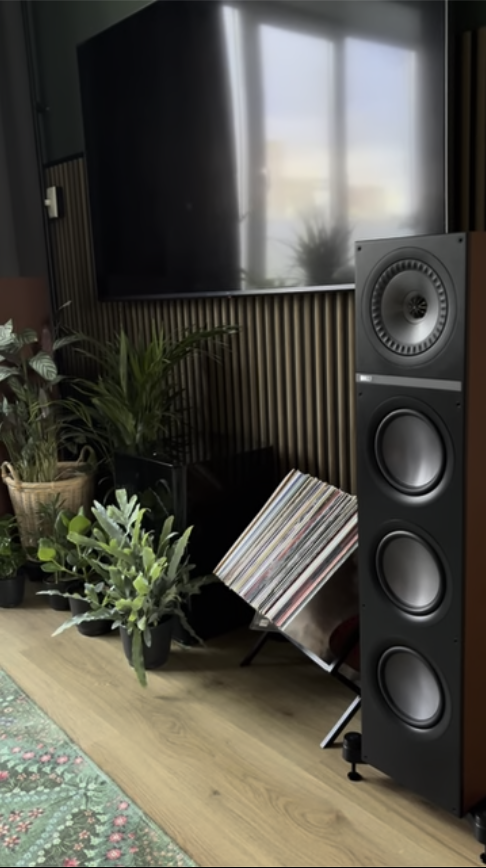
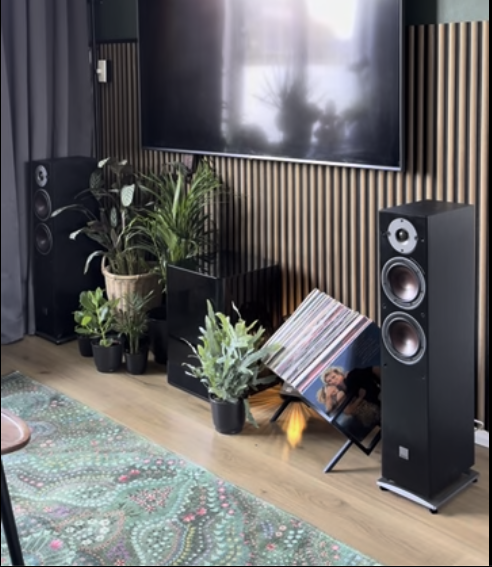
Micro, mini and midi sets commonly arrive with speakers. With full-size separates, choosing the right pair is part of building the system, so keep enough of your budget for them.

KEF Q700 floorstanding loudspeaker with brown wood veneer in a listening room
KEF Q700Brown veneer
Black DALI Oberon 5 floorstanding speaker beside a record rack
DALI Oberon 5Black finish
Speakers are the last link, and a vital one.

Do not automatically spend the whole budget on the central unit and treat the speakers as an afterthought.

Listen in your room, at home volume.

A speaker that sounds impressive in a large shop may not suit a small living room. Room size, listening distance and placement change what you hear. If possible, compare a few pairs with music you know, then try them in the room where you will use them.

Floorstanding speakers are not a requirement. A good bookshelf or standmount speaker on stable stands can make a complete, satisfying system, and can be a better match for a smaller room or a shorter listening distance. Place the tweeters near seated ear height unless the manufacturer recommends otherwise. Larger cabinets can reach deeper bass or play louder, but size alone does not tell you how good a speaker will sound in your room. The glossary explains bookshelf, standmount and floorstanding speakers.

Many independent audio shops have a listening room arranged to feel like a living room. You can often compare different amplifiers and speakers, and sometimes try several combinations. Some general electronics stores also have demonstration sets on the shop floor. Both can give you a useful first impression, even though your own room will sound different.

  • Ask to compare amplifiers and speakers using a track you know well.
  • Keep the volume similar between systems, because a louder system can seem better at first.
  • Check that the amplifier supports the speakers' impedance and power needs.
  • Choose bookshelf or floorstanding speakers for your room, then position them carefully at home.
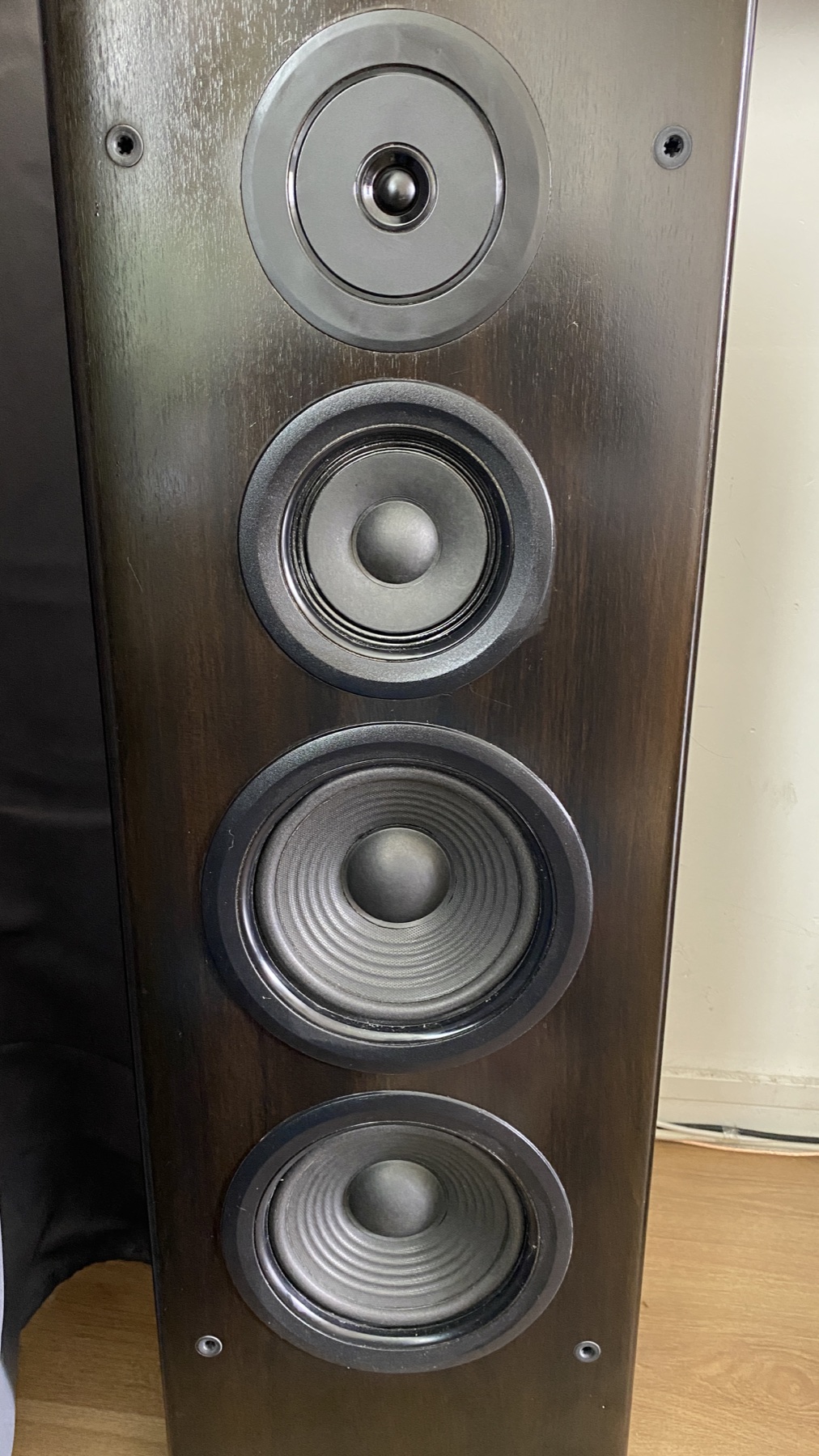
Close-up of the drivers mounted in one of the owner's floorstanding speakers
A closer look at the speaker drivers in one of my systems

Different drivers handle different parts of the music.

A speaker may use a tweeter for high notes, a midrange driver for voices and instruments, and a larger woofer for lower frequencies. Designs vary, and the drivers work together with the cabinet, crossover, room and placement. This close-up is from one of my own speakers. It shows the components, not a model recommendation.

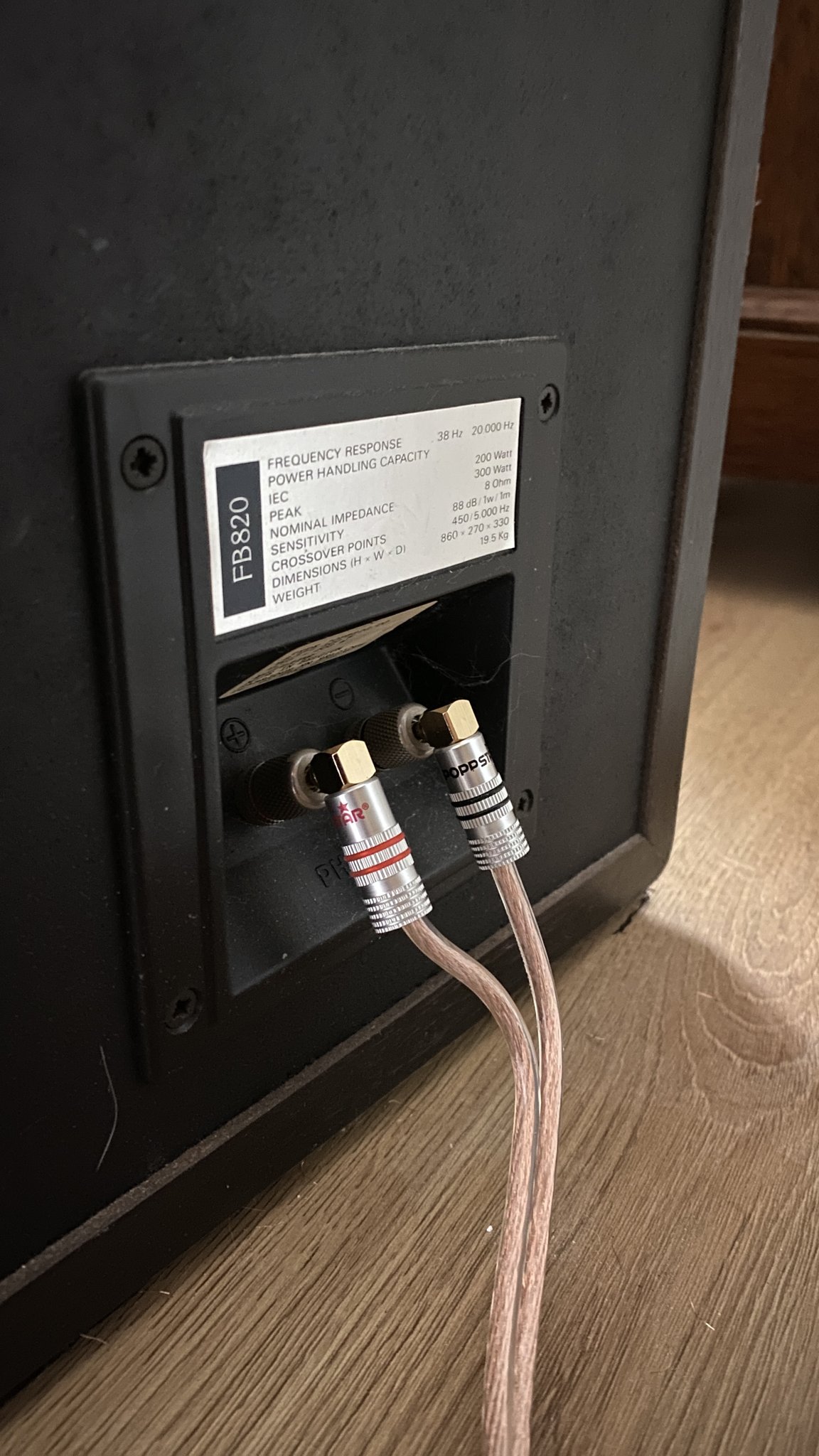
Rear of a Philips FB 820 loudspeaker, showing one pair of speaker terminals with banana plugs connected
Philips FB 820 rear panel, one pair of speaker terminals with banana plugs

One terminal pair, one cable pair.

This Philips FB 820 uses a single pair of speaker terminals. Connect the amplifier's positive output to the speaker's positive terminal, and the negative output to negative. The banana plugs make the connection tidy, though bare wire also works with compatible terminals.

Some speakers have two terminal pairs for optional bi-wiring. This one-photo example shows the simpler arrangement most beginners will use.

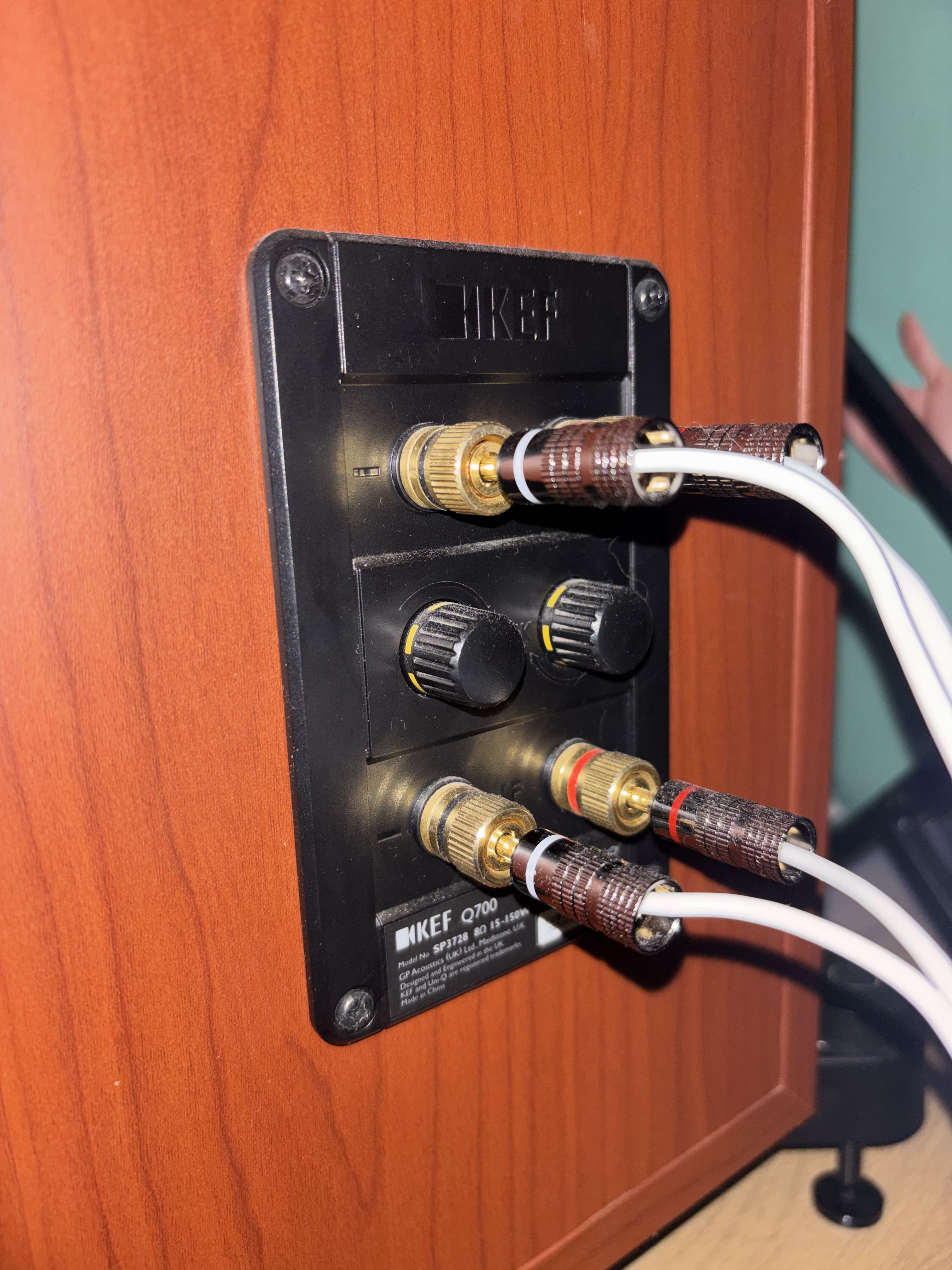
Speaker cable fitted with banana plugs at the rear of a KEF Q700 loudspeaker
One of my KEF speakers, connected with banana plugs

Good cable, sensible scale.

Speaker cable is an important connection, but there are limits to what thickness alone can do. A thicker conductor has less resistance, which can help on a long cable run or with speakers that need more current. Once the cable is the right size for the run and speaker, going extremely thick does not automatically make the music sound better.

A well-made cable still matters. Look for suitable copper conductors, sound insulation and clean, secure connections. Match the cable length and gauge to the speakers and amplifier, keep left and right runs similar, and make sure the terminals fit properly.

  • Choose the gauge for the cable length and speaker impedance.
  • Use tidy, secure terminations and check positive and negative polarity.
  • Keep the price sensible, spend more only when it solves a real need.

In short, quality construction is useful, but the thickest and most expensive cable is not automatically the best buy. Cambridge Audio explains cable length, thickness and resistance.

Lossless, wireless and the signal.

A music file format and the connection carrying it are different parts of the audio path. Each can affect what finally reaches your system.

What does lossless mean?

Lossless formats such as FLAC and ALAC reduce file size without throwing away audio data. When decoded, the audio samples match the original file. Lossless describes how the file is compressed. It does not guarantee a better recording or mean that every listener will hear a difference.

To play a lossless source, choose a file or streaming setting that provides it, then use a player and system that can decode it. Xiph's FLAC overview explains how lossless audio compression works.

Bluetooth is convenient, usually lossy

Bluetooth is a wireless connection, not a music file format. Most Bluetooth listening uses a codec that compresses audio, so the signal may not be identical to the source and sound quality can be affected. The audible difference depends on the codec, devices, source and listening conditions.

There are exceptions. Qualcomm's aptX Lossless is designed for compatible devices to deliver CD-quality lossless audio when the connection conditions allow it. Both devices must support the same feature, so do not assume a Bluetooth connection is lossless. Qualcomm explains aptX Lossless.

Old gear, new listening.

A vintage or used system from a charity shop, thrift store, second-hand audio shop or local seller can make a much fuller setup affordable.

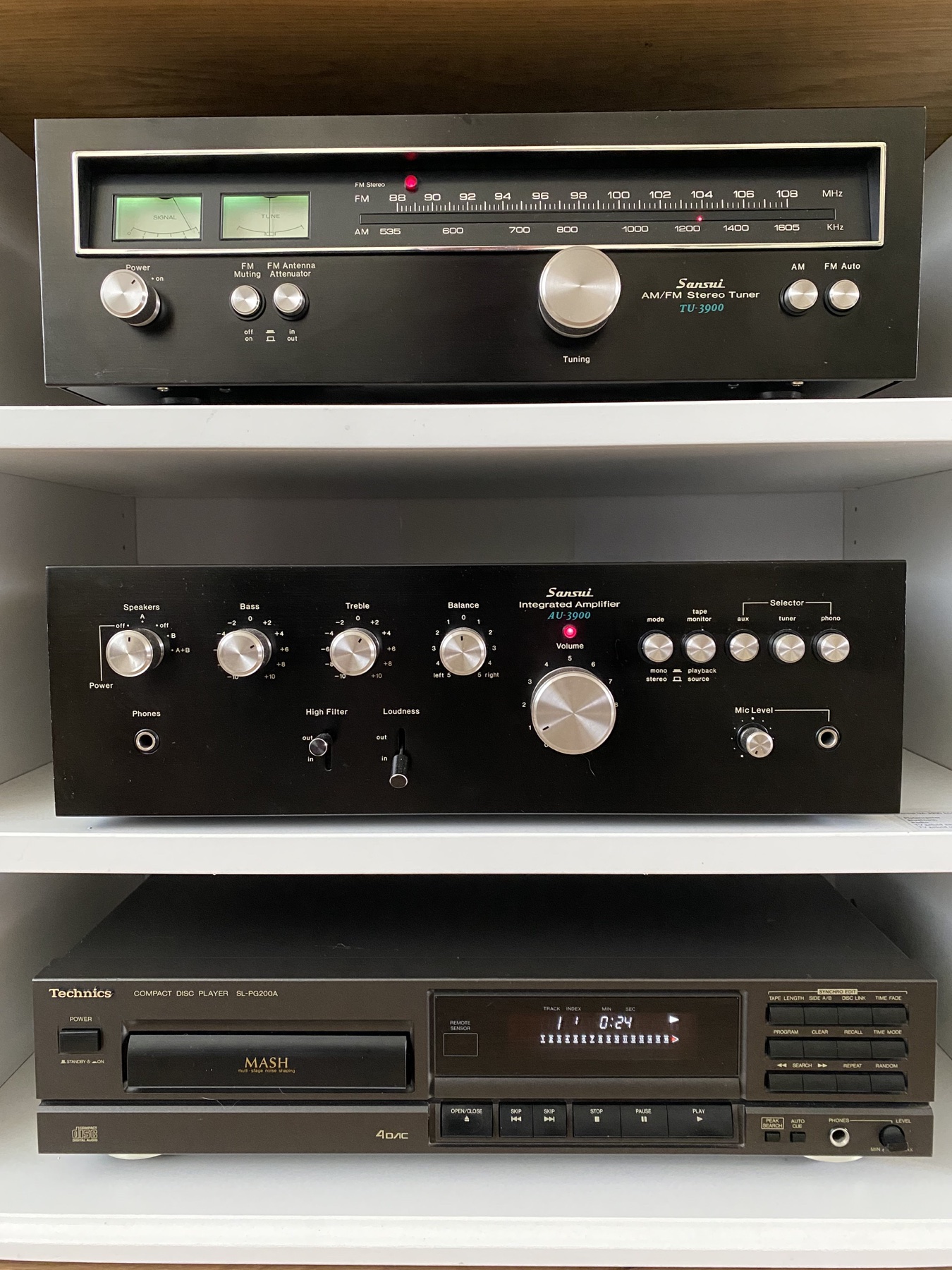
A 1977 Sansui hi-fi set with TU-3900 tuner and AU-3900 integrated amplifier
A Sansui system from 1977

My Sansui set, 1977.

This vintage system pairs a Sansui TU-3900 AM/FM tuner with an AU-3900 integrated amplifier. The tactile controls and straightforward connections make the equipment easy to understand, and it remains a lovely way to enjoy music today.

A vintage set does not have to be complicated or costly to be rewarding. Start with the formats you actually play, then check operation and condition before buying.

More system for the money

Good used components can cost less than a new system and still make listening feel special. For the same budget, you may find a proper amplifier, a CD player and a pair of speakers rather than a brand-new entry-level all-in-one. A well-kept vintage set can bring real character and a lot of music enjoyment.

It is not guaranteed to be a bargain. Age, wear and servicing affect the value. A low asking price can become less attractive if a component needs repair, so test before you buy and leave room in your budget for maintenance.

Try it. Check it. Then choose.

Especially with second-hand equipment, a short listening test can reveal problems that photos and a description cannot.

Ask what you need

  • Does it play the formats you own, CDs, vinyl, tapes or MiniDiscs?
  • Are the required speakers included, and are they passive or powered?
  • Does it have the right inputs, such as phono, optical, coaxial or line in?
  • Will the system fit your shelf, room and listening position?

Test the actual equipment

  • Play a familiar track. Listen to both channels at a comfortable level.
  • Try every input and check that buttons, knobs, remote and display work.
  • For a CD player, test a few discs, the tray, track skipping and playback.
  • For speakers, look for damaged cones or surrounds, buzzing and rubbing sounds.

Check compatibility

  • Compare the amplifier's supported speaker impedance with the speakers' rating.
  • Make sure the player has an output the amplifier can accept, or use a suitable converter when needed.
  • For a turntable, confirm the set has a phono stage, or plan for an external phono preamp.
  • Check manuals or ask a trusted audio shop if specifications are unclear.

Make room for ownership

  • Leave space for ventilation, sturdy shelves and speaker placement.
  • Ask about returns, warranty or a listening period when buying from a shop.
  • Find out whether replacement parts or servicing are available for older gear.
  • Do not rush. A system should make listening easier and more enjoyable.

Listen for the details.

Use familiar songs to check how a system handles bass, voices, instruments, space and changes in intensity. The playlists are available to play right here.

Audio System Test

Deep bass, clear vocals, beautiful guitars, and more. A varied 18-track listening check, running for about 77 minutes.

Spotify player

This player is blocked until you choose to load external media. You can keep reading, then change your choice here or in Media settings at the bottom of the page.

Open Audio System Test on Spotify ↗

Cut Your Teeth, Kyla La Grange

Listen to the light, breathy vocal over soft synths and clicking percussion. The bass should have a clear shape and rhythm without masking the voice. Track background

Hide and Seek, Imogen Heap

The sound is built around Heap's voice processed through a harmoniser. Follow the separate notes in the vocal layers. They should stay clear and form a stable image rather than blur into a harsh mass. How the track was made

Raindance, Earthtones

Pick out one instrument at a time, then notice how the other parts join around it. Listen for crisp attacks and for each line to remain distinguishable when several players are active.

Fading Sun, Terje Isungset and Lena Nymark

A quieter passage for noticing fine texture and natural decay. Listen for the delicate, resonant sounds around the vocal, without needing to turn the volume up. Track and album notes

Fields of Gold (Songbird), Eva Cassidy

Use the voice and acoustic accompaniment to judge tonal balance. The vocal should feel present and intelligible, while the strings keep their attack and body.

Audiophille Reference Tracks

A 15-track collection of familiar reference material, with a focus on bass control, vocal texture, dynamics and soundstage.

Spotify player

This player is blocked until you choose to load external media. You can keep reading, then change your choice here or in Media settings at the bottom of the page.

Open Audiophille Reference Tracks on Spotify ↗

Tin Pan Alley, Stevie Ray Vaughan

A slow, spacious performance with full bass and expressive electric guitar. Listen for weight in the low notes without boom, and for the guitar's shifts from delicate touch to stronger attack. Why hi-fi listeners use this track

Angel, Massive Attack

The bassline and intensity build gradually. Good bass should feel deep and controlled, while Horace Andy's voice and the other layers remain audible as the track grows. What Hi-Fi? on this test track

I See Fire, Geoff Castellucci

Focus on the very low vocal notes and layered harmonies. They should sound like a defined voice with changing pitch and texture, not one indistinct bass rumble. A conversation about Castellucci's bass voice

Hotel California, Live on MTV, 1994, Eagles

The live version gives you acoustic guitars, voices and audience ambience to follow. Listen for the instruments to remain separated, and for the vocal and guitar solo to hold their place in the mix. SoundStage! review of Hell Freezes Over

The National Anthem, Radiohead

A repeating bass groove sits under an increasingly busy brass arrangement. Check whether the pulse remains steady and the horns stay layered, instead of turning into one hard wall of sound. Recording and performer credits

Use the same version and a comfortable, matched volume when comparing equipment. These are music listening cues, not laboratory measurements. Spotify's stream, the chosen recording and mastering, your room and your hearing all affect the result. Do not turn a system up until it distorts just to test it.

Useful listening resources.

These guides explain speaker placement and the technical checks that help an amplifier and speakers work safely together.

Amplifier and speaker matching

Yamaha's guide explains impedance and power ratings, and why you should check the actual specifications for the amplifier and speakers you are pairing.

Read Yamaha's amplifier guide

Audio system questions.

A few practical answers for first-time buyers and anyone putting together a system piece by piece.

What is the simplest setup for listening to CDs?

A compact CD system with its own speakers is simplest. For a separates setup, connect a CD player to an integrated amplifier and a compatible pair of passive speakers. Powered speakers can combine the amplifier and speakers in one product.

Is a vintage audio system better value than a new one?

It can be. A second-hand or vintage set may offer more components and a satisfying listening experience for less than a comparable new system. Condition, repair needs, availability of parts and the chance to test it all matter.

Should I spend more on speakers or the amplifier?

There is no universal budget split. Do not leave speakers until the end. They play a major part in what you hear and must suit your room and amplifier. Choose a balanced system, then compare it by listening.

Do I need floorstanding speakers?

No. A good bookshelf or standmount pair on stable stands can work beautifully. Compact speakers may be a better fit for a small room, while larger cabinets can offer deeper bass or more output. Match the speakers to your room, listening distance and amplifier, then listen before you decide.

Do I need a very expensive hi-fi system to enjoy music?

No. A modest, well-matched system can make music deeply enjoyable. High-end equipment can be rewarding for listeners who value what it offers, but price alone cannot decide what will make you happiest.