A whole album, in your pocket
A compact cassette, a CD in its case or a handful of MiniDiscs can make a trip feel different from a shuffle that never ends. Pick one album, a side, or a mix made for the moment.
Long before a phone could carry a streaming service, a Walkman, Discman or MiniDisc player let you take a personal music collection along. Choose a tape, a CD or an MD, press play and bring your soundtrack with you.
Portable physical audio makes a small ritual out of choosing what comes with you. The player, the music and your headphones are all you need. No signal, stream or smartphone is required.
A compact cassette, a CD in its case or a handful of MiniDiscs can make a trip feel different from a shuffle that never ends. Pick one album, a side, or a mix made for the moment.
Portable players reproduce music from the media you bring. Once the player is powered and working, the music is there on a train, on a walk or somewhere your phone has no connection.
Each format gives you a different balance of size, battery life, sound, controls and character. Model features vary, so check the specific player before buying.
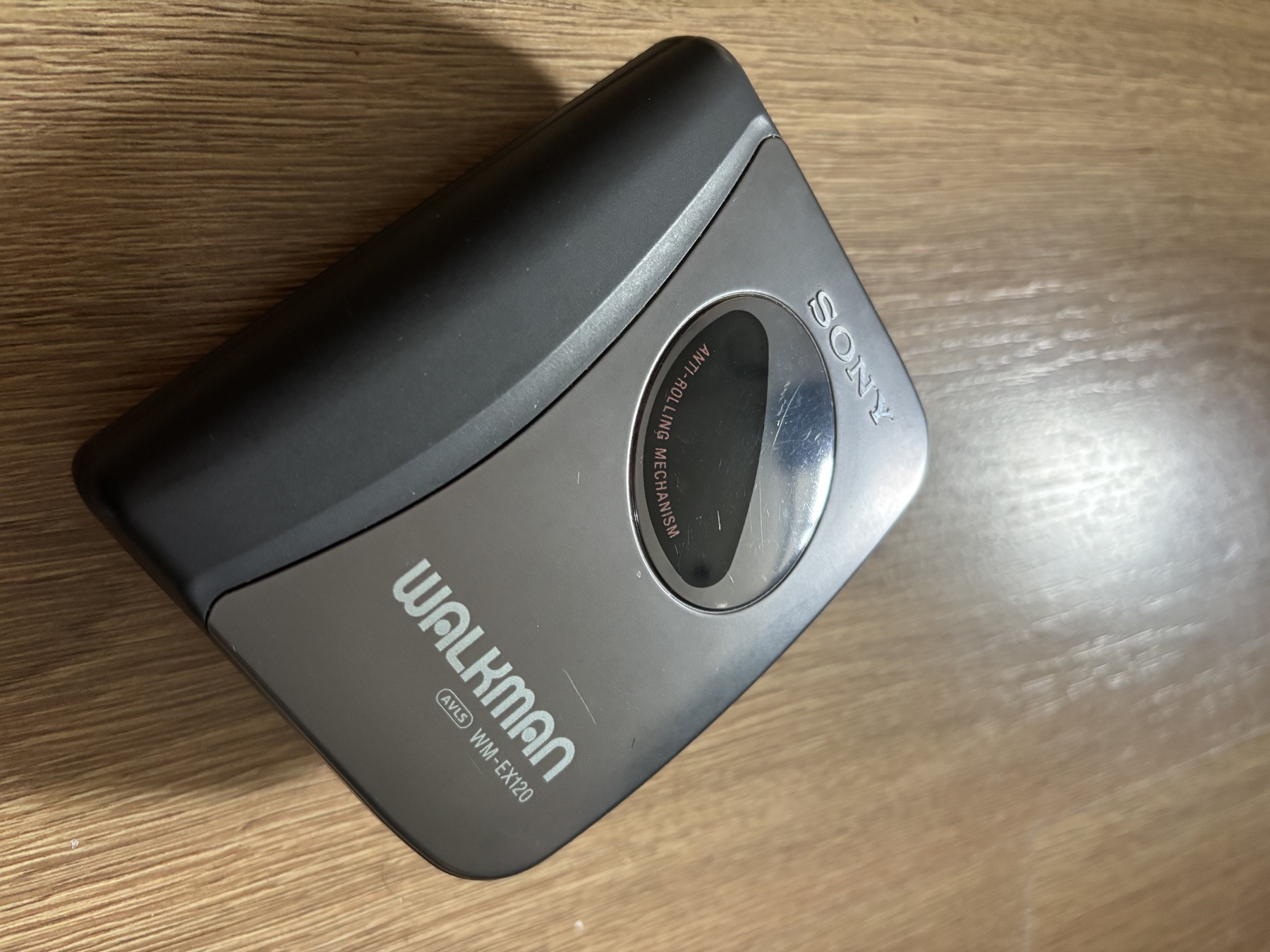
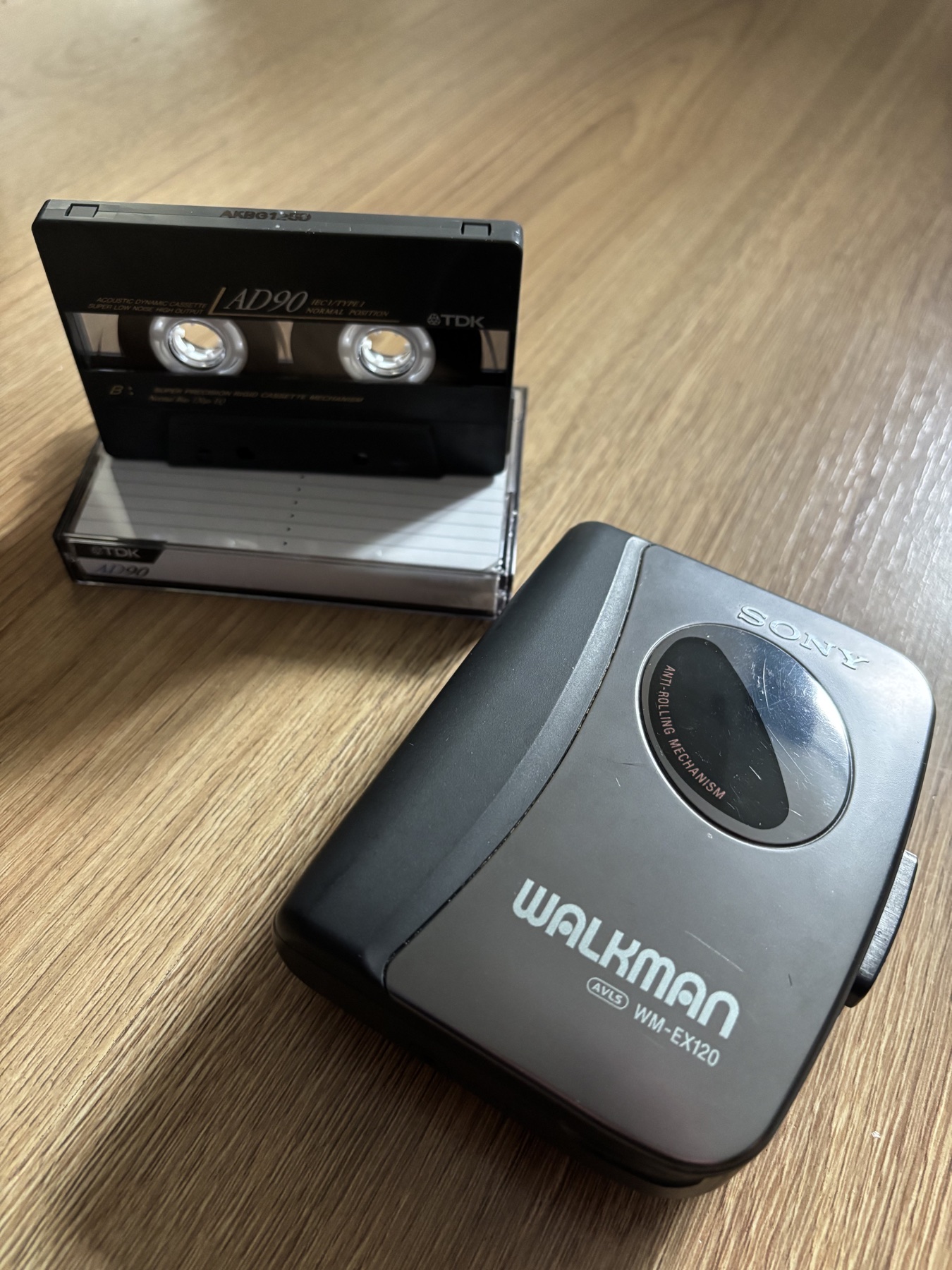
A cassette player makes a mixtape easy to carry and replay. Your music is arranged in sequence on a tape, and turning it over is part of the experience. The player needs working batteries, headphones and a healthy tape transport.
Sound depends on the cassette, recording and the condition of the player. Old belts, a dirty tape head or a worn pinch roller can affect speed and clarity, so check the machine before taking it out.
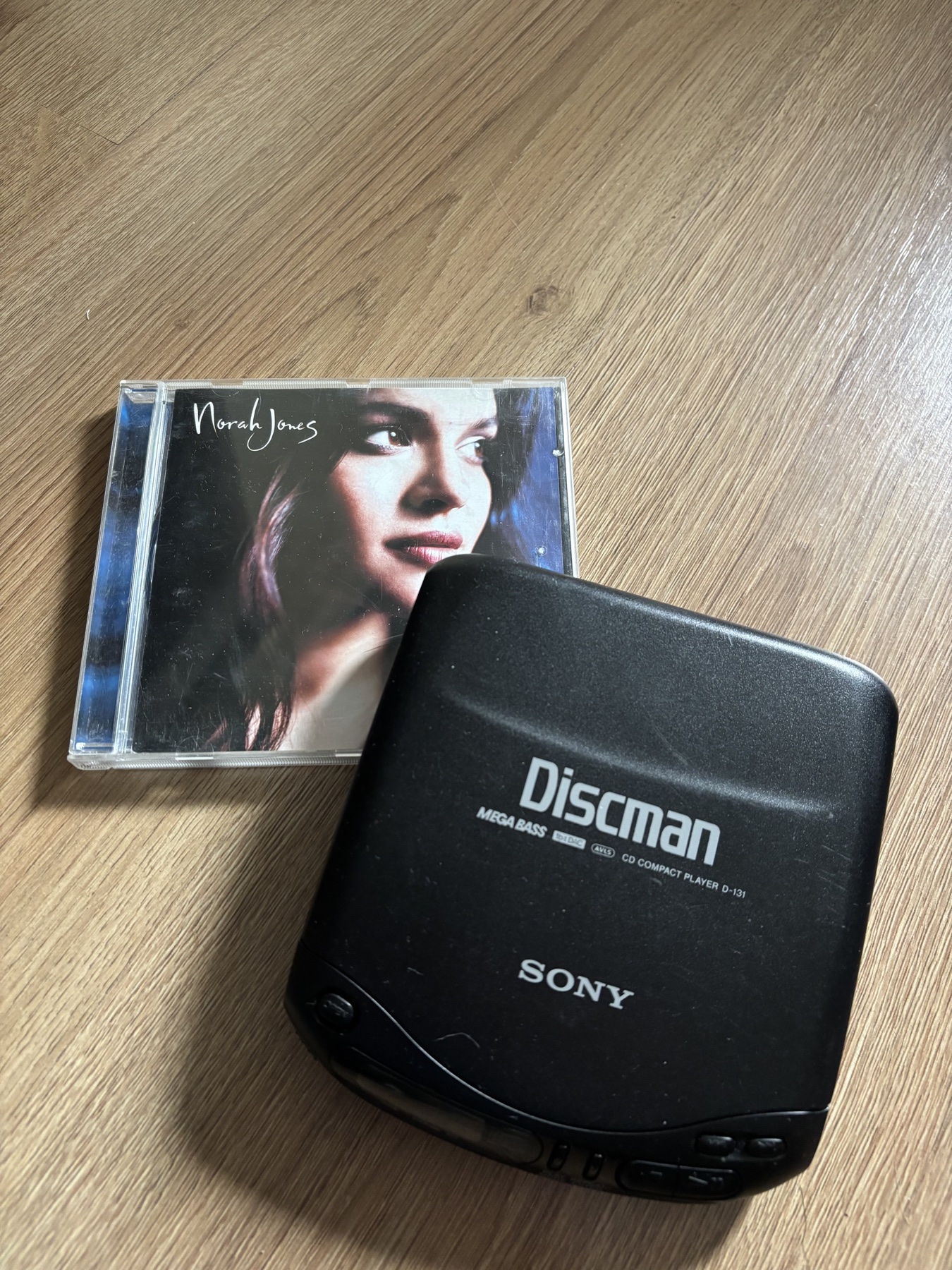
A portable CD player gives you the album sequence and digital audio of a standard audio CD in a battery-powered player. Slip the disc case into a bag and choose a complete record for the journey.
Portable CD players vary in anti-skip features and battery requirements. A CD player that reads a standard pressed audio CD may not support every recordable disc or file format.
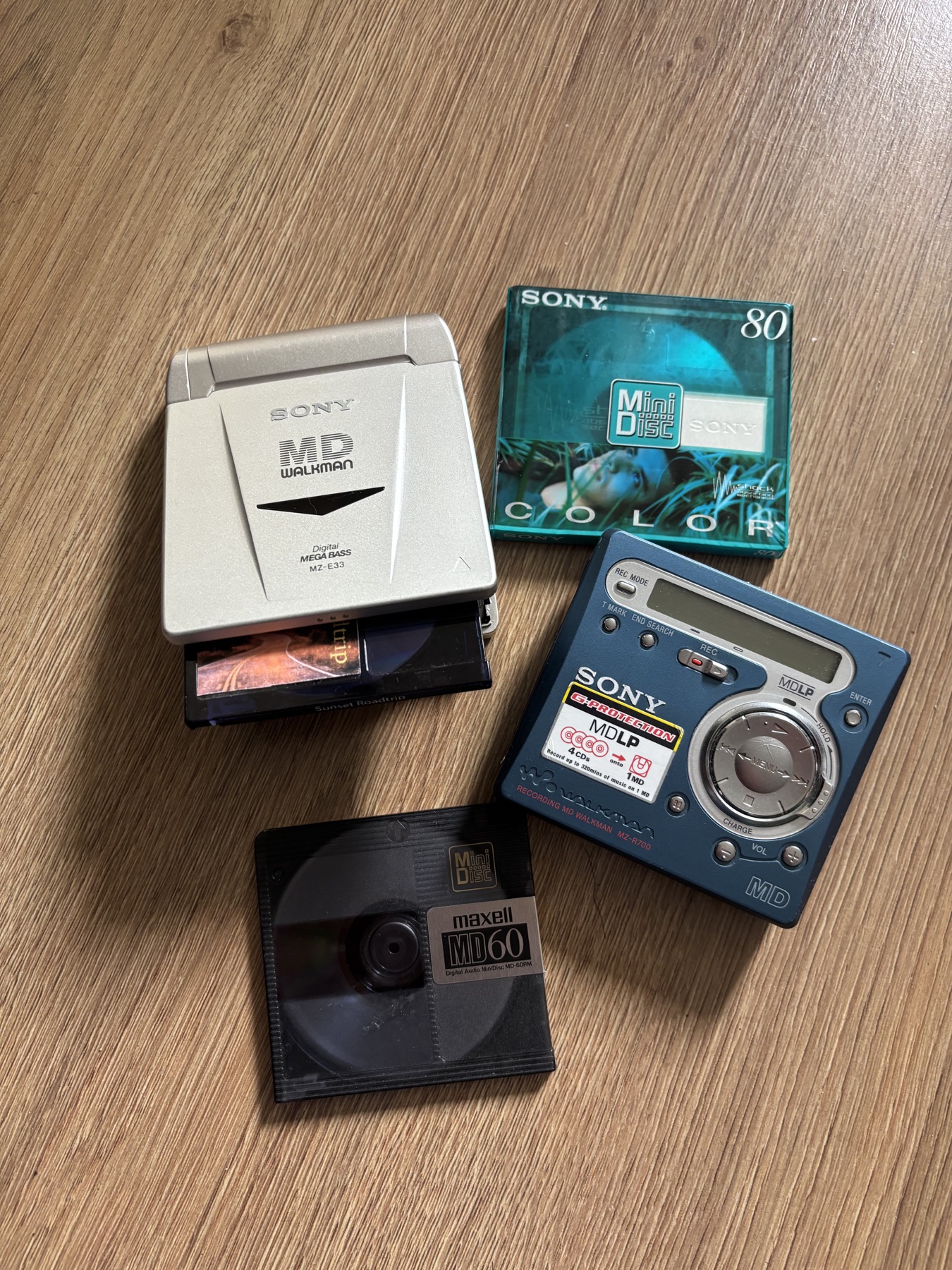
MiniDisc puts a digital music collection into a protective cartridge. A playback-only player such as the pictured MZ-E33 is compact and convenient, while a portable recorder such as the MZ-R700 can also record and organise discs.
Recording modes, inputs, battery types and remote controls depend on the model. The small media, track access and personal labels make MiniDisc especially satisfying to carry.
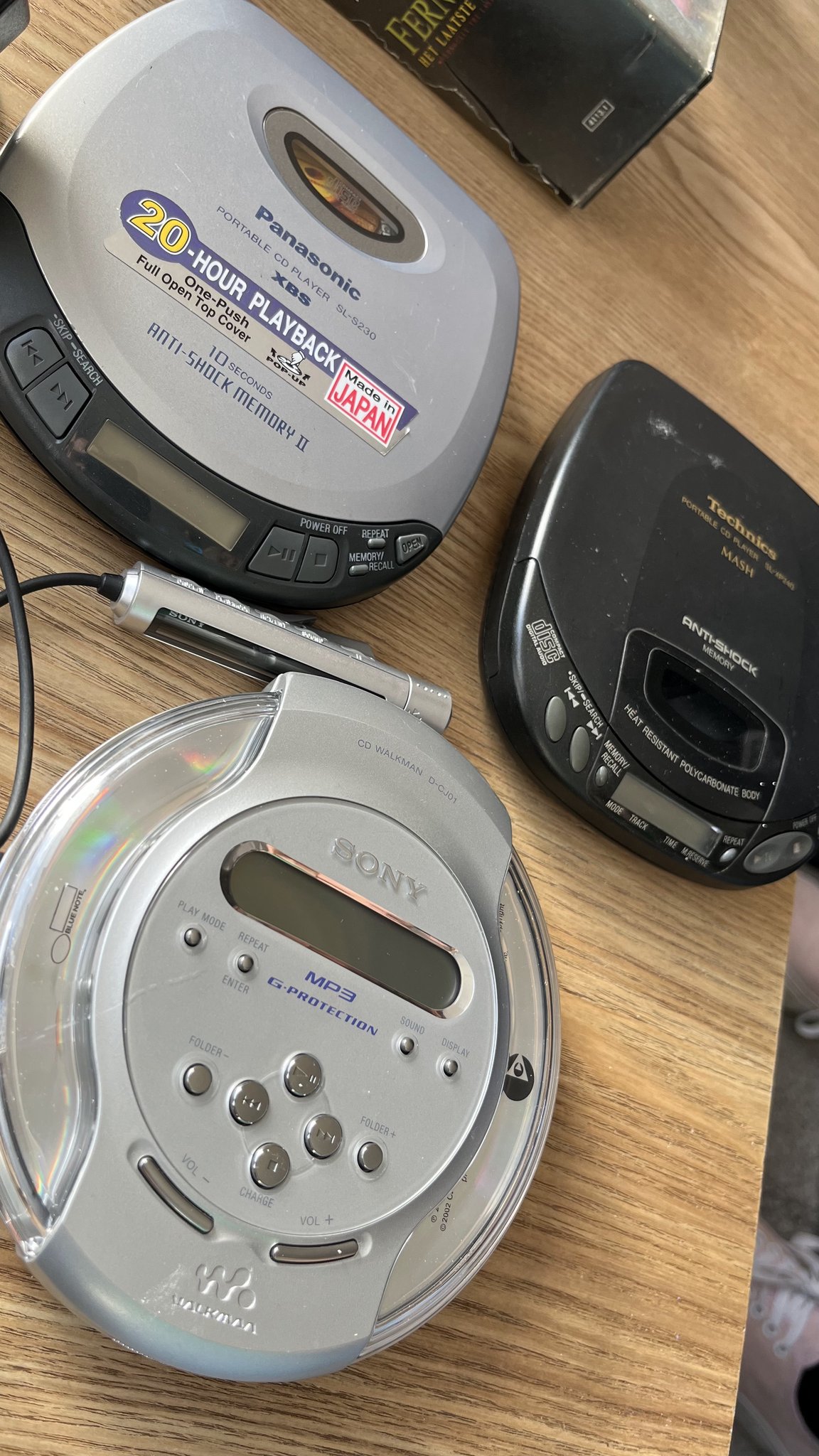
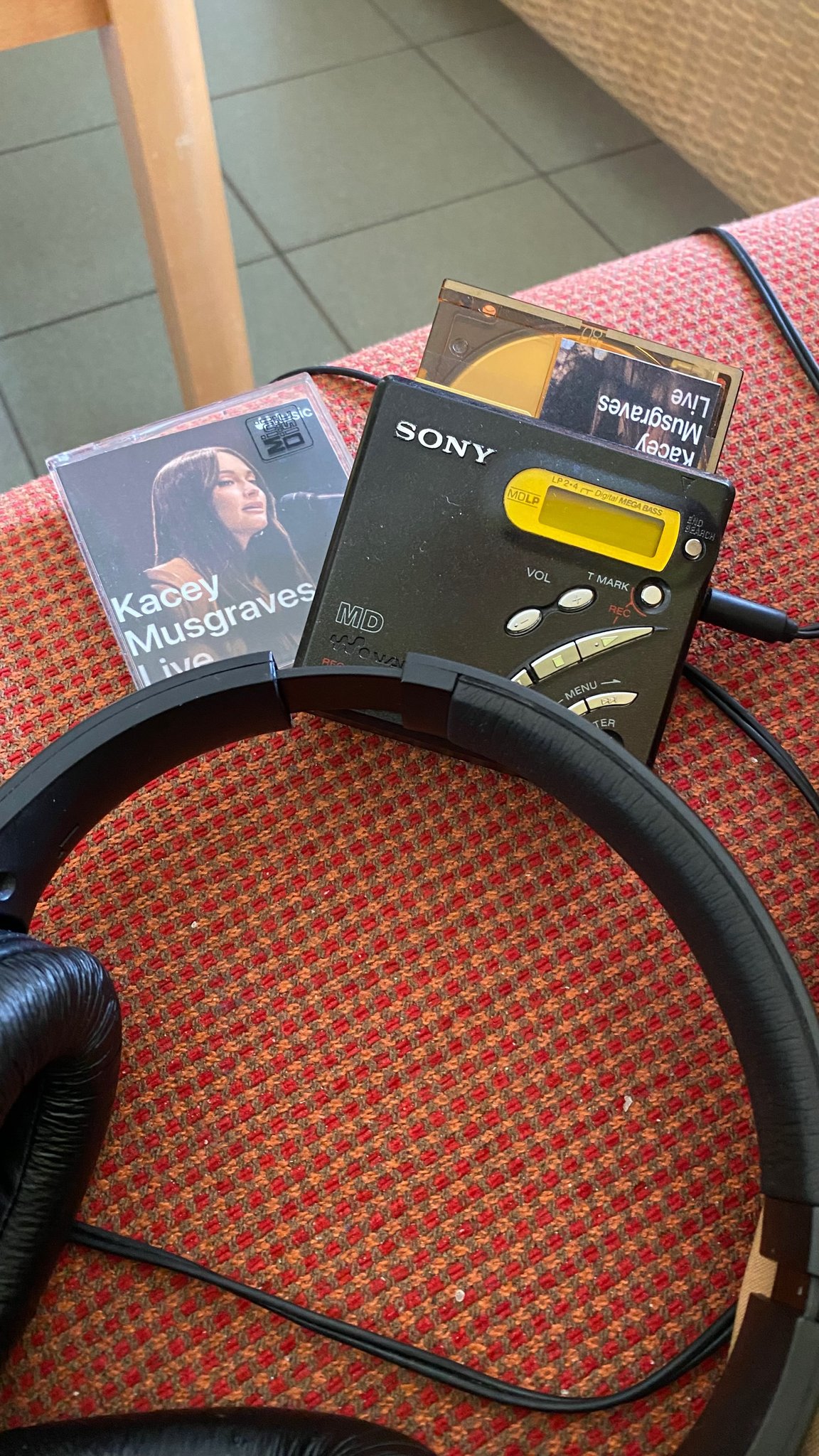
Portable listening keeps the system wonderfully simple. You can enjoy a complete setup without an amplifier, a network or a phone.
Bring the cassette, audio CD or MiniDisc you want to hear.
The format-matched Walkman, Discman or MD player reads it.
Use the battery type and power accessory specified for your exact model.
Plug in suitable headphones, then set a comfortable listening level.
Portable vintage audio is lovely to use, but the player and its power supply have had years of life already. A few checks help it stay dependable on the move.
Players may use AA cells, gumstick batteries or model-specific packs. USB-C rechargeable AA cells can be convenient, but check the manual for chemistry, voltage and charging compatibility before using one.
For cassette, confirm stable speed and clean playback. For a CD player, test a few discs and check that the player reads, skips and holds the track properly. For MiniDisc, test playback and, if relevant, recording and track marking.
Keep tapes and discs in their cases, avoid heat and moisture, and store cables so they do not pull on the headphone jack. Use headphones at a comfortable level and stay aware of your surroundings.
AA tells you the size, not the chemistry. Alkaline, lithium, NiCd, NiMH and USB-C rechargeable cells behave differently, so match the battery to your player.
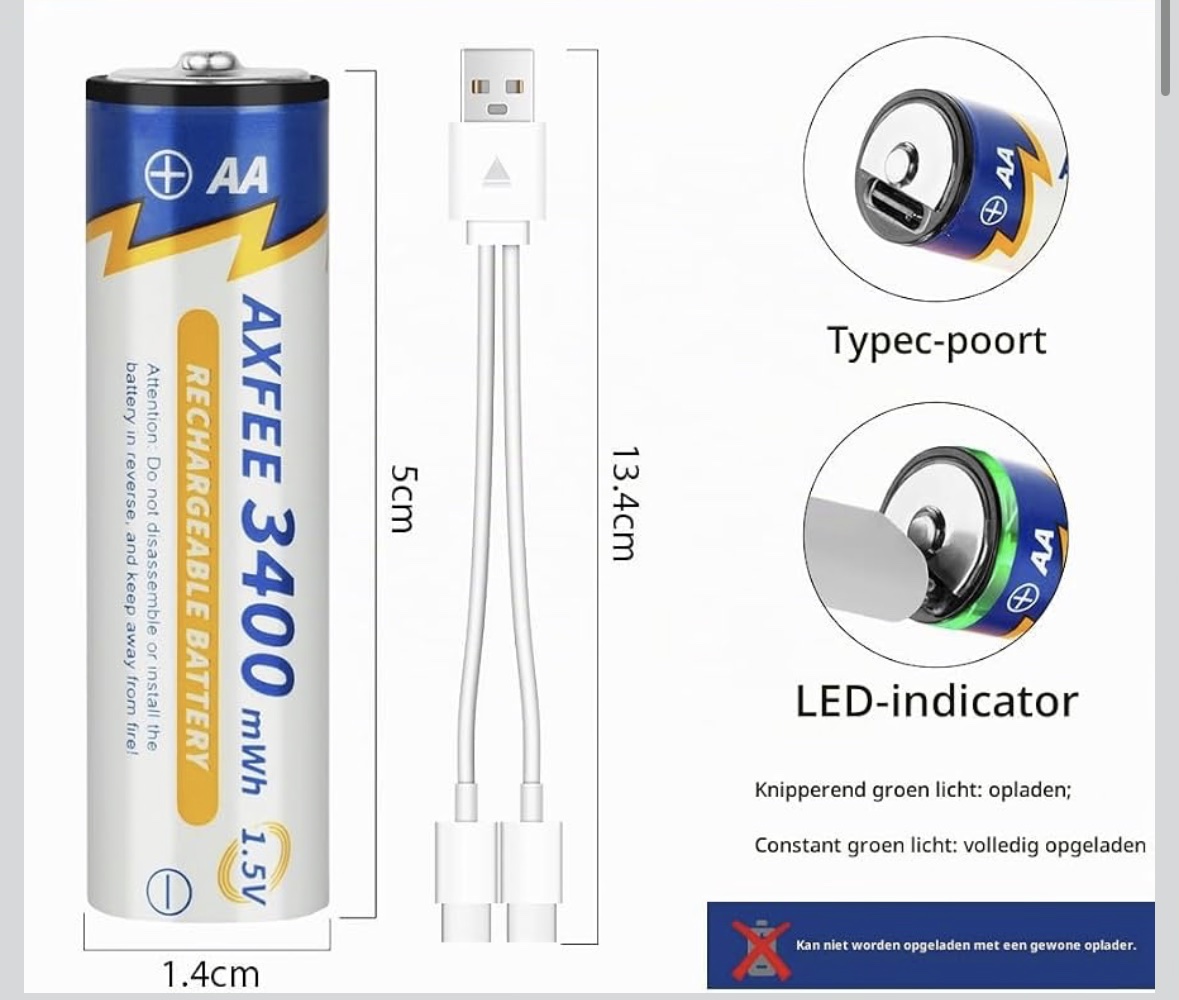
The AXFEE USB-C AA is one example of a rechargeable lithium-ion cell with regulated 1.5V output. Its product information lists 3.4Wh of energy and claims up to 1,500 charge cycles. Those figures describe the cell, not the playing time you will get from a particular player.
This Amazon link may earn the site owner a commission.
Energizer's AA alkaline reference data lists about 2,500mAh at a 100mA drain and 2,000mAh at 250mA, measured down to 0.8V at 21°C. These figures depend on the test conditions.
| Steady load | Alkaline AA reference | USB-C AA, ideal estimate |
|---|---|---|
| 100mA | About 25 hours | Up to about 23 hours |
| 250mA | About 8 hours | Up to about 9 hours |
These are energy estimates, not playback tests. The USB-C estimate is before voltage-conversion losses. Player design, volume, headphones, anti-skip activity, age and low-battery cut-off all change real listening time. At a light drain, alkaline may last as long or longer.
Capacity labels alone do not predict listening time. The load and the player's cut-off voltage matter, especially with non-rechargeable cells.
Here is the practical difference between the batteries you are most likely to encounter. Treat each capacity or runtime as a stated example, not a promise for every Walkman, Discman or MiniDisc player.
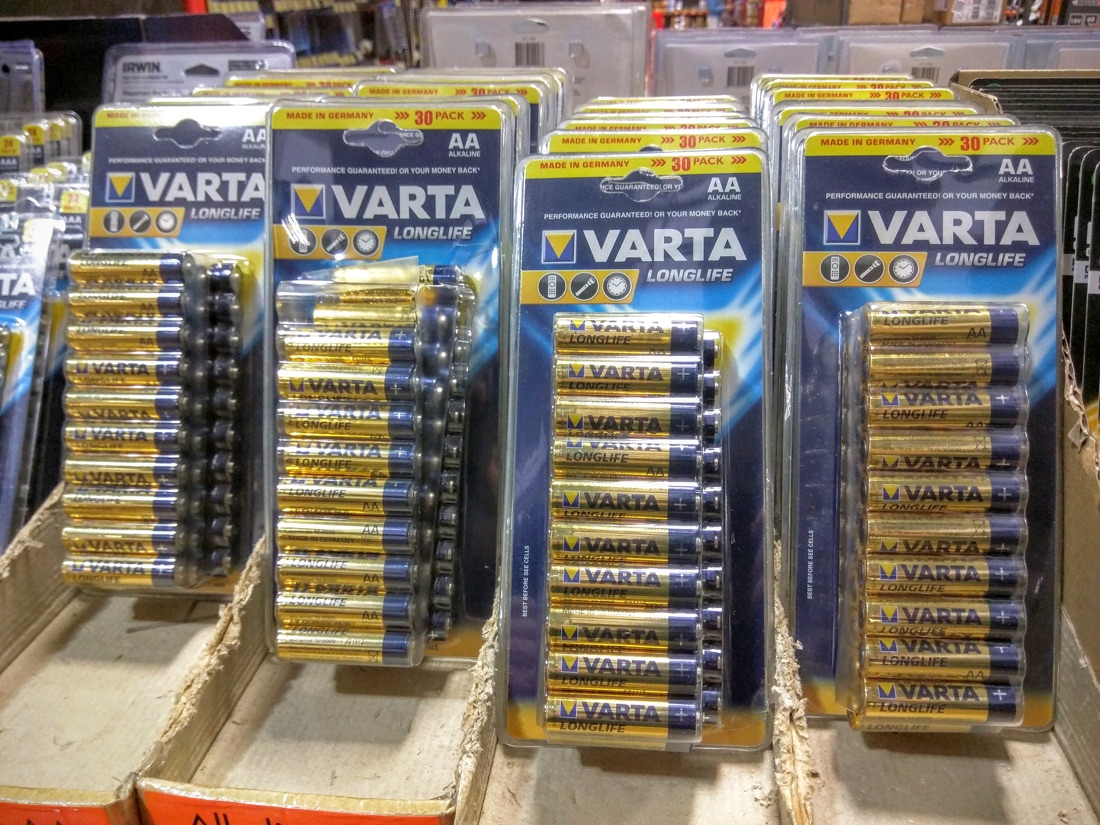
The familiar, easy-to-find option. Its voltage gradually falls as it is used. Available capacity changes a lot with current draw and the player's cut-off, so one universal mAh figure would be misleading.
In a player: convenient for occasional listening and a useful spare. Performance can drop more quickly under a heavier load. Do not recharge it.
Energizer E91 reference data ↗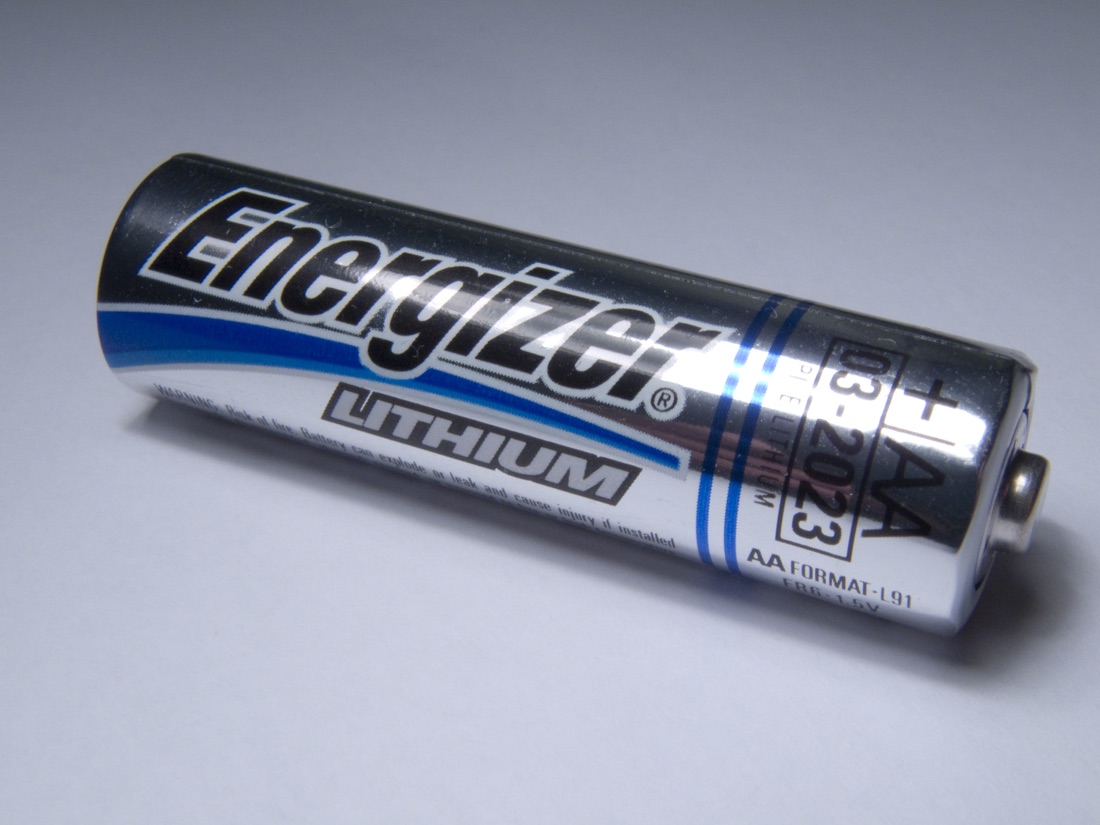
These are non-rechargeable lithium iron disulfide cells, often sold as lithium AA. They are light, work across a wide temperature range and can retain a charge in storage for a long time. They often handle demanding loads well, but cost more.
In a player: a premium disposable choice for long trips, cold weather or a player with a high drain. Never recharge it, and do not confuse it with USB-C rechargeable lithium-ion cells.
Energizer L91 specifications ↗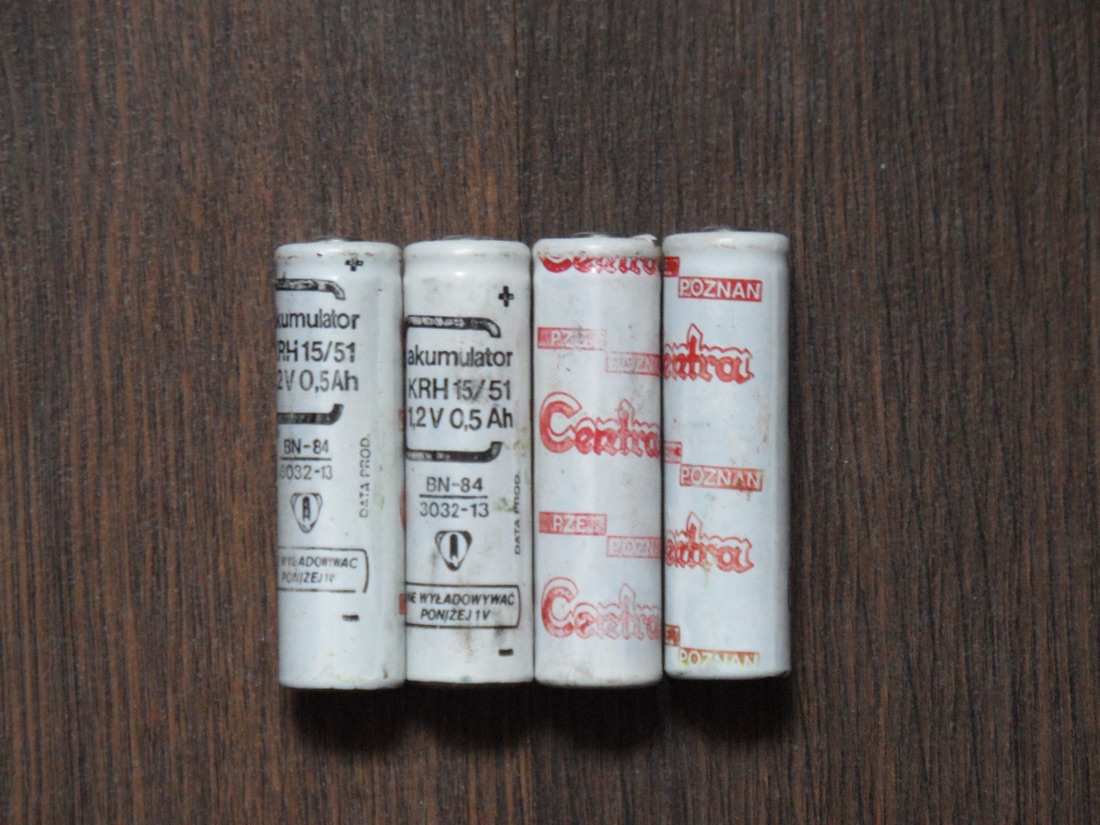
A tough older rechargeable chemistry, but AA capacity is low by modern standards. One Panasonic AA reference cell was rated at 700mAh. A healthy NiCd can deliver current reliably, but the age and condition of a vintage cell make a large difference.
In a player: use only if the player and charger support NiCd. Some sealed NiCd cells can show voltage depression after repeated partial-charge patterns or unsuitable charging. Follow the maker's charging advice rather than routinely draining each cell completely. Cadmium is hazardous, take spent cells to a battery collection point.
Panasonic NiCd catalogue, AA reference cell ↗ · Saft notes on NiCd charging and voltage depression ↗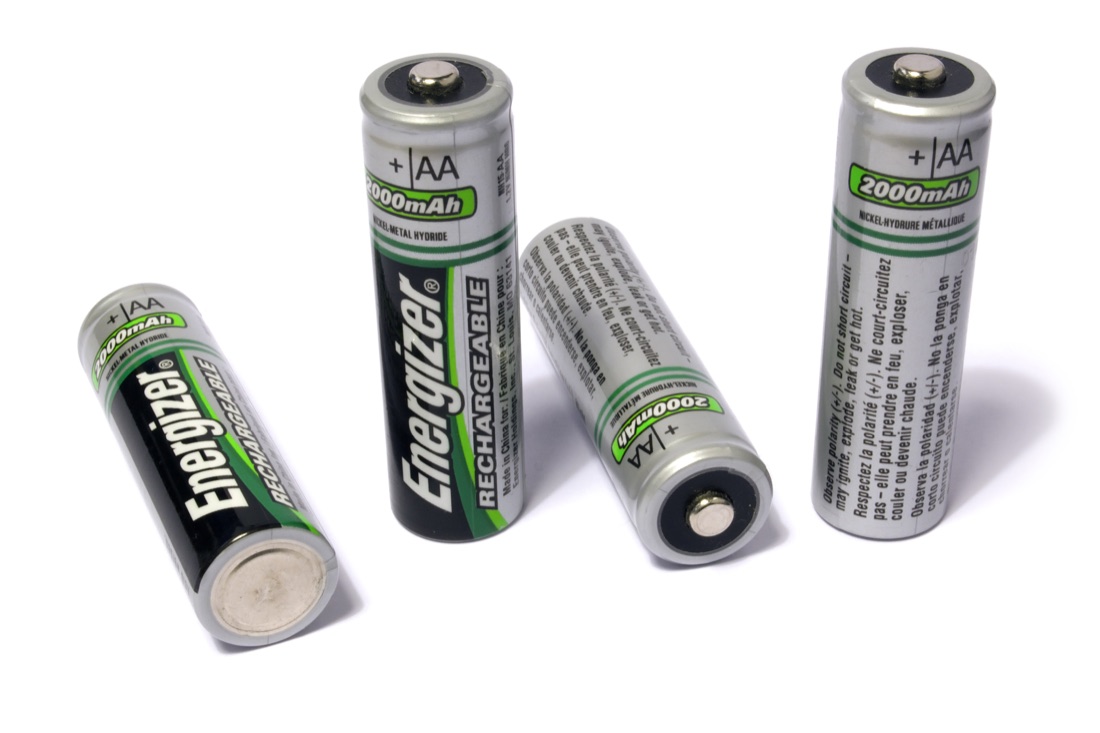
The most practical rechargeable AA for many portable players. Standard modern AA cells commonly list at least 1,900mAh, while high-capacity versions can be around 2,450mAh or more. Their voltage stays steadier through much of a discharge than alkaline.
In a player: good for regular listening and repeated use. Low-self-discharge models hold their charge well between trips. Check the manual. Some devices with battery meters or special charging circuits are not suitable.
Panasonic AA capacity and cycle notes ↗These rechargeable cells use lithium-ion chemistry and electronic voltage regulation to provide a nominal 1.5V AA output. AXFEE's product information lists 3.4Wh, but that figure alone cannot predict playback time.
In a player: convenient to top up without a separate AA charger. Actual runtime depends on the cell's converter, charge state and the player's cut-off. Use the supplied charging cable or case, never a NiMH charger unless both makers explicitly approve it.
See the USB-C AA product example ↗One good rule: check the player manual for voltage, chemistry and charging instructions. In the EU, waste batteries must be collected separately from mixed household waste. EU Battery Regulation, end-user collection rules ↗
A cassette mixtape, one favourite CD or a few labelled MiniDiscs can turn a short walk into your own listening space. You decide what belongs on the journey and when the music ends.
Already have a home stereo? Record a mix for a portable format, then take it with you. Visit the recording guide for ideas about building a mix to fit CD, MiniDisc or tape.
Explore all physical formatsWalkman, Discman and MiniDisc players made recorded music personal and mobile in different ways. Manufacturer histories and manuals help explain how each generation was designed to work.
Sony recalls the Walkman era and portable music design.
Sony corporate history ↗Sony's annual report describes the Discman as a portable CD player introduced in 1984.
Sony 1986 annual report ↗Operating instructions and support information for the pictured portable playback model.
Sony MZ-E33 manuals ↗Manuals and support for the pictured portable MiniDisc recorder.
Sony MZ-R700 manuals ↗Use the manual for your own model to confirm disc support, batteries and anti-skip features.
Sony portable CD player example, D-EJ011 ↗Sony's corporate history describes the cassette Walkman, MiniDisc Walkman and Net MD player timeline.
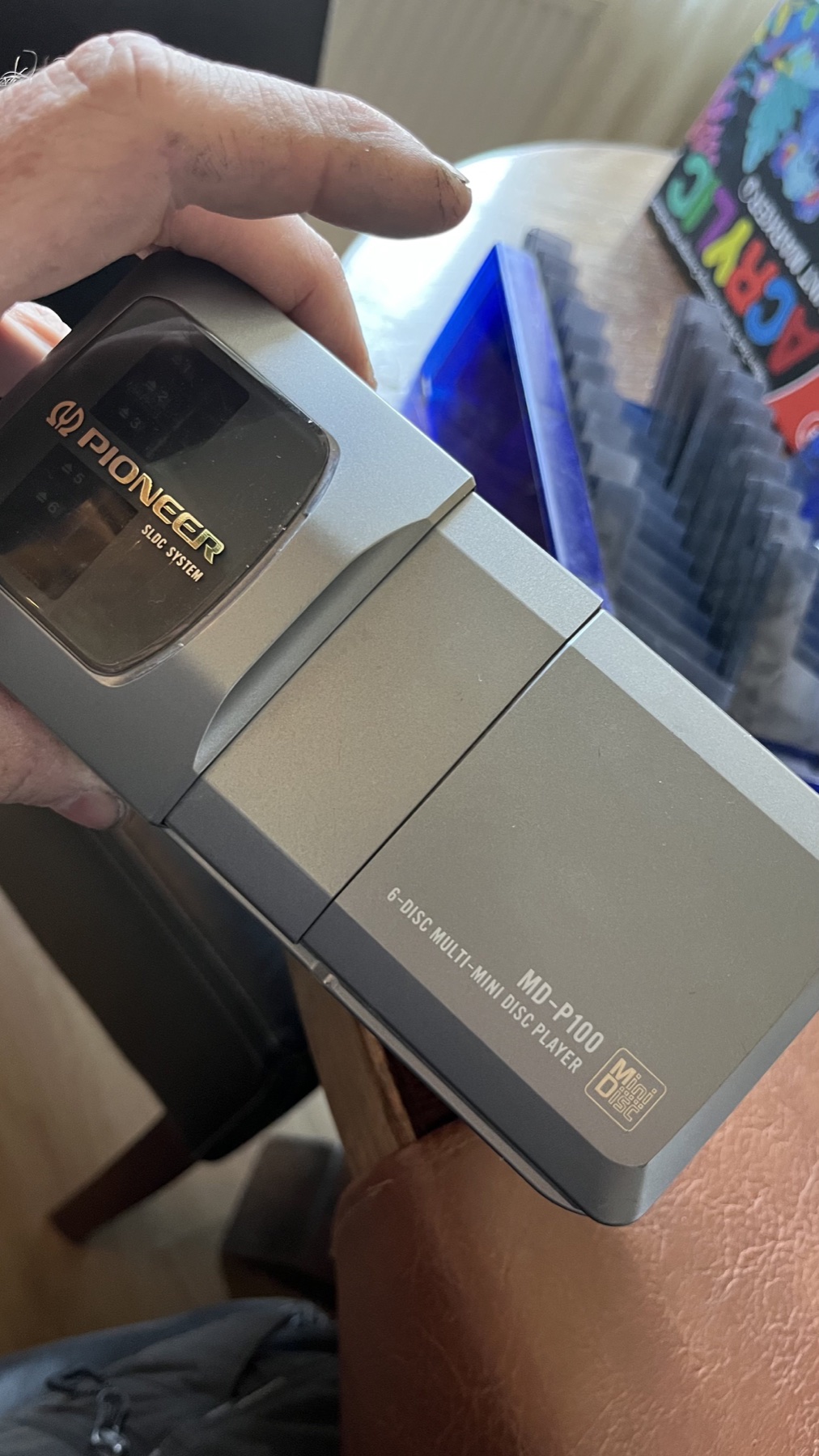
Sony 2003 annual report ↗Portable CD players, cassette and MiniDisc can fit into a larger car audio story too. Explore head units, changers, speakers and subwoofers in the car audio guide.
Explore car audio